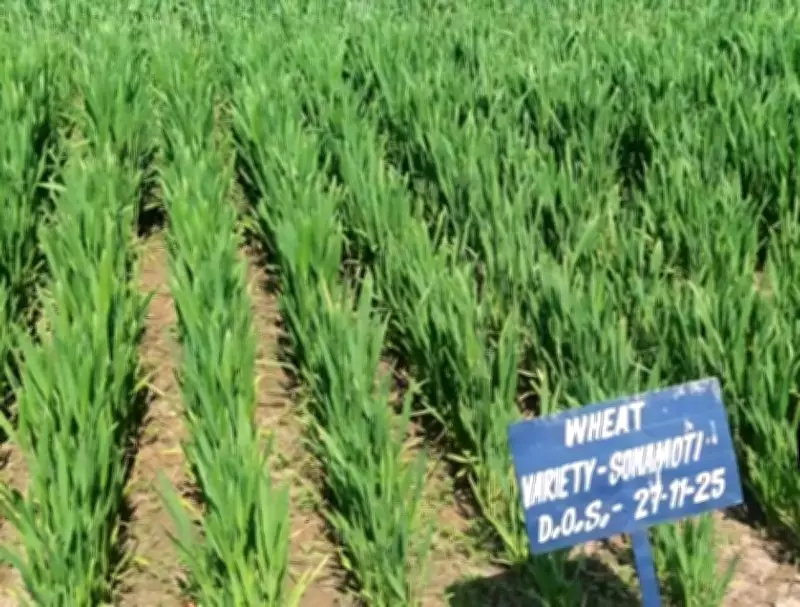
Ancient 'Sona Moti' Wheat Variety Successfully Revived in Sirmaur District
In a significant agricultural breakthrough, the Krishi Vigyan Kendra (KVK) in Sirmaur district has successfully revived the rare 'Sona Moti' wheat variety, which is believed to be nearly 2,000 years old. This initiative marks a crucial step towards preserving India's rich agricultural heritage and promoting sustainable farming practices.
Conservation and Multiplication Efforts
The revival project began in 2024 when KVK sourced approximately two kilograms of 'Sona Moti' seeds from Chhattisgarh for experimental cultivation. Within the first year, the yield increased dramatically to around 14 kilograms, demonstrating successful seed multiplication. These seeds have now been sown again to further expand the stock, ensuring wider availability for farmers in upcoming seasons.
Nutritional and Health Benefits
According to Pankaj Mittal, the in-charge and Principal Scientist at KVK Sirmaur, while the yield of 'Sona Moti' wheat is relatively lower compared to modern high-yielding varieties, its nutritional quality is significantly superior. This ancient wheat is believed to contain lower sugar content, making it a potentially better option for diabetes patients. Additionally, it is rich in essential nutrients, enhancing its value over conventional wheat varieties.

Historical and Cultural Significance
Agricultural experts note that 'Sona Moti' wheat was once widely cultivated across various parts of India and was a vital component of traditional farming systems. Over time, the introduction of improved high-yield varieties led to a gradual decline in the use of indigenous seeds, causing this ancient variety to nearly disappear from fields. Researchers associate this wheat with the Harappan civilization era, when farming heavily relied on local and traditional seed varieties. Thus, 'Sona Moti' is not just a crop but a living symbol of India's agricultural history and cultural legacy.
Unique Physical Traits and Resilience
The 'Sona Moti' wheat exhibits distinctive physical characteristics, including round grains and a plant height of about two feet. Its shorter stature reduces the risk of lodging during strong winds or heavy rainfall, making it more resilient under natural conditions. This trait contributes to its suitability for sustainable and natural farming practices.
Future Goals and Impact
Scientists at KVK aim to produce sufficient seed quantities in the coming years and distribute them among farmers practicing natural farming. This initiative is expected to not only bring back a lost crop but also strengthen efforts towards sustainable agriculture and biodiversity conservation in the region. By reintroducing 'Sona Moti', KVK Sirmaur is paving the way for healthier food options and environmentally friendly farming methods.