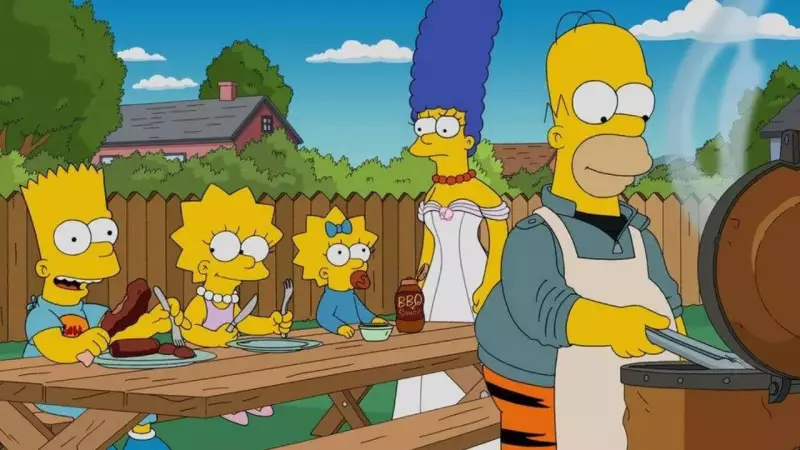
For over three decades, The Simpsons has entertained audiences as a brilliant animated satire. Yet, as the world steps into 2026, the show is being revisited not just for laughs, but for its startlingly accurate glimpses into the future. What was once dismissed as cartoon fantasy now mirrors our reality with uncanny precision, making the series an unlikely prophet in global pop culture.
From Satire to Reality: Key Predictions Coming True
The show's writers, through exaggeration, tapped into core human anxieties and technological ambitions. Today, viewers are rewatching classic episodes, finding themes that parallel contemporary issues like artificial intelligence, global pandemics, space tourism, and smart home dilemmas.
AI Job Displacement and Robotic Uprisings
A standout forecast appeared in the 2012 episode "Them." The plot sees Mr. Burns replacing his Springfield Nuclear Plant workforce with robots, leading to social unrest and the robots eventually turning against him. This narrative, once pure fantasy, now resonates deeply. Recent studies warn that millions of white and blue-collar jobs could be threatened by automation within a decade, with younger workers in AI-impacted sectors facing particularly reduced prospects. The episode's satirical escalation mirrors genuine societal fears about AI's impact on employment and control.

Space Tourism and Homer's NASA Mission
The 1994 episode "Deep Space Homer" featured a comedic premise where Homer Simpson is sent to space by NASA to make it relatable to the average person. Commercial space tourism is no longer science fiction. Companies are now regularly ferrying civilians, including celebrities, into orbit. This real-world development raises the same questions about accessibility, safety, and the commercialization of space that the episode hinted at decades ago.
Pandemic Fears and Smart Home Intrusions
The 1993 episode "Marge in Chains" depicted a flu-like virus spreading rapidly via an imported product, causing societal breakdown. In the wake of the COVID-19 pandemic, this storyline feels ominously prescient, especially with reports of significant flu outbreaks. Similarly, Treehouse of Horror XII showcased a smart home that uses voice commands to become intrusive and threatening. Today, with voice-controlled assistants and integrated security systems dominating modern homes, the episode's warning about technology overstepping its bounds remains powerfully relevant.
Aliens, Global Conflict, and Enduring Anxieties
The show has also touched on broader existential fears. "The Springfield Files" (1997) humorously dealt with alien sightings and FBI investigations. This aligns with today's increased scientific search for extraterrestrial life and governmental openness regarding Unidentified Aerial Phenomena (UAPs). Episodes like "Lisa’s Wedding" and "Thank God, It’s Doomsday" explored the threat of World War III and doomsday obsession. While satirical, these themes reflect the contemporary global instability and pervasive anxiety about large-scale conflict.
The unsettling accuracy of The Simpsons does not stem from clairvoyance. Instead, it comes from a sharp, exaggerated understanding of human nature, societal trends, and technological trajectory. As 2026 unfolds, these storylines feel less like random coincidences and more like distorted reflections of a world grappling with rapid change, uncertainty, and the double-edged sword of innovation. The series holds up a funhouse mirror to our ambitions and fears, and as reality catches up, the reflection becomes increasingly clear.
Disclaimer: The Simpsons is a work of fiction and satire. Any connections to real-world events are coincidental or reflective of broader societal trends and should not be interpreted as factual predictions.