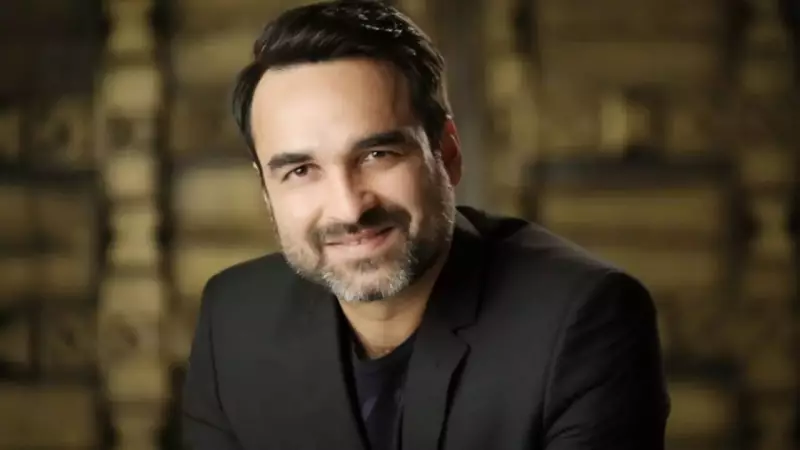
In a candid revelation that has resonated across the Indian film industry, acclaimed Bollywood actor Pankaj Tripathi has voiced a significant concern about the evolving landscape of digital entertainment. He asserts that streaming platforms, once hailed as bastions of creative liberty, are now imposing stringent controls that are stifling the artistic process.
The YouTube Choice for Unfiltered Storytelling
Speaking recently to Bollywood Hungama, the versatile actor and producer opened up about the changing dynamics of Over-The-Top (OTT) media. Tripathi reflected that while digital platforms initially offered a freedom absent in traditional television and cinema, they have now become hubs of constant monitoring and regulation. This creative containment led him to make a deliberate decision for his first major production, Perfect Family.
He and his team chose to release this web series directly on YouTube, bypassing partnerships with major OTT giants. Tripathi explained that every large platform today introduces multiple layers of interference. "They decide who the creative head will be, the writing has to be approved, then they say the production value doesn’t look right," he shared. In contrast, YouTube provided the space to tell a story without the pressure of external opinions or committees.

How Improvisation Fell Victim to Legal Fears
Known for his ability to elevate scenes through spontaneous improvisation, Pankaj Tripathi confessed that he has now largely stopped this practice. The reason, he says, is that platforms are increasingly fearful of controversy.
He recounted a specific incident during a shoot where he improvised a single line. He was instantly stopped by a creative head who insisted that the legal team must approve it first. "Now the legal team will decide what we say?" he questioned, expressing his dismay. For Tripathi, this shift means that organic creative choices are being policed, and audience judgment is being replaced by pre-emptive censorship.
A Poignant Poem and an Unnecessary Hurdle
Further illustrating the extent of this bureaucratic control, Tripathi narrated another incident. For a scene, he had to recite a short four-line poem. The production team insisted that official permission was required before filming could proceed, a process that threatened to delay the entire production.
Taking initiative, Tripathi personally contacted the poet's family. To his surprise, he discovered that there was no copyright concern whatsoever. The most touching part of the interaction was the request from the poet's son, who simply asked for a photograph of Pankaj Tripathi holding the book, with no other demands.
On the work front, the actor was last seen in the film Metro... In Dino. His stance highlights a growing debate within the entertainment industry about the balance between creative expression and the structured, often restrictive, environment of corporate streaming.