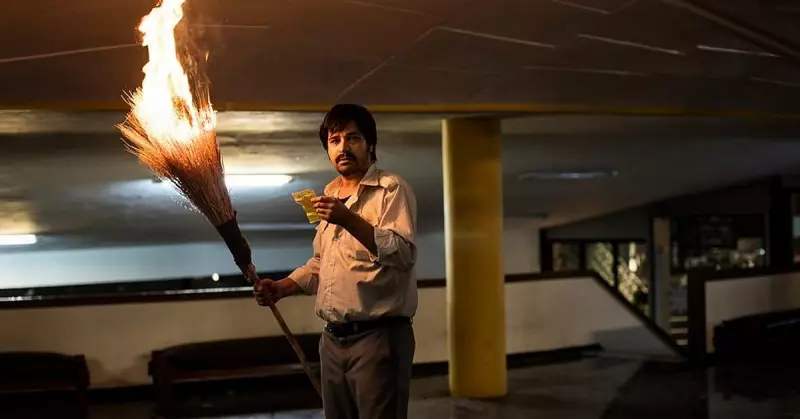
Iranian cinema tells a story of remarkable endurance. For decades, filmmakers have faced immense challenges. They survived the Islamic Revolution of 1979. They coped with strict state restrictions on artistic expression. Many chose exile to continue their work abroad. Despite these obstacles, Iranian cinema has produced acclaimed works that resonate globally.
A Legacy of Resilience
The Islamic Revolution brought dramatic changes to Iran's cultural landscape. Cinema, as a powerful medium, came under intense scrutiny. Authorities imposed rigorous censorship rules. Filmmakers had to navigate a complex web of regulations. Themes, dialogues, and visual elements faced strict review. This environment forced creativity to adapt in subtle ways.
Creative Adaptation Under Pressure
Iranian directors developed unique storytelling techniques. They used metaphor and symbolism to convey deeper messages. Everyday scenes often carried hidden meanings. This approach allowed films to pass censorship while speaking to audiences. International film festivals began recognizing these artistic achievements. Awards and critical acclaim followed, bringing global attention to Iranian cinema.

However, the pressure took a personal toll on many artists. Some filmmakers faced harassment or imprisonment. Others found their projects blocked indefinitely. The constant negotiation with authorities created an atmosphere of uncertainty. For those who remained in Iran, every film became a delicate balancing act.
The Exile Experience
Exile presented its own set of challenges and opportunities. Filmmakers who left Iran gained more artistic freedom. They could explore themes directly without fear of censorship. Yet, they often grappled with displacement and identity issues. Their work frequently reflected nostalgia and critique of their homeland. This diaspora cinema added another layer to Iran's cinematic narrative.
Recent Shifts and Growing Fatigue
In recent years, a noticeable change has occurred within Iranian cinema circles. Many describe it as a creeping fatigue. The decades-long struggle has worn down some artists. Younger filmmakers face both old restrictions and new economic pressures. Production costs have risen while funding remains uncertain. The digital age brings both opportunities and increased surveillance.
Social media and streaming platforms offer alternative distribution channels. Yet, they also enable tighter monitoring of content. Filmmakers must now consider online backlash alongside official censorship. This multi-layered pressure contributes to the growing sense of exhaustion among creators.
Notable Works and Figures
Iranian cinema boasts many influential figures and films. Golshifteh Farahani represents actors who achieved international success despite constraints. Directors like Mohammadreza Farzad have created poignant works. His 2012 film 'Blames and Flames' exemplifies the subtle critique possible within the system. Such works demonstrate the persistent creative spirit.
The community of Iranian filmmakers remains deeply connected. They share resources, support each other's projects, and maintain artistic dialogues. This solidarity has been crucial for survival. Film festivals, both inside and outside Iran, provide vital platforms for exhibition and discussion.
Looking Forward
The future of Iranian cinema remains uncertain yet hopeful. New generations bring fresh perspectives and techniques. Digital tools lower barriers to entry for aspiring filmmakers. International collaborations offer additional avenues for expression. However, fundamental challenges regarding artistic freedom persist.
The story of Iranian cinema is one of continuous adaptation. It reflects broader societal tensions and aspirations. As filmmakers navigate this complex landscape, their work continues to capture human experiences with profound authenticity. The fatigue may be real, but the creative impulse endures, promising more compelling stories ahead.