HBO's New Westeros Series Chooses Character Over Epic Scale
HBO expands the 'Game of Thrones' universe with 'A Knight of the Seven Kingdoms', but this new series takes a distinctly different approach. Where previous entries like 'Game of Thrones' and 'House of the Dragon' focused on sprawling political intrigue and massive conflicts, this adaptation of George R.R. Martin's 'Tales of Dunk and Egg' novellas opts for intimate storytelling.
A Different Kind of Westeros Adventure
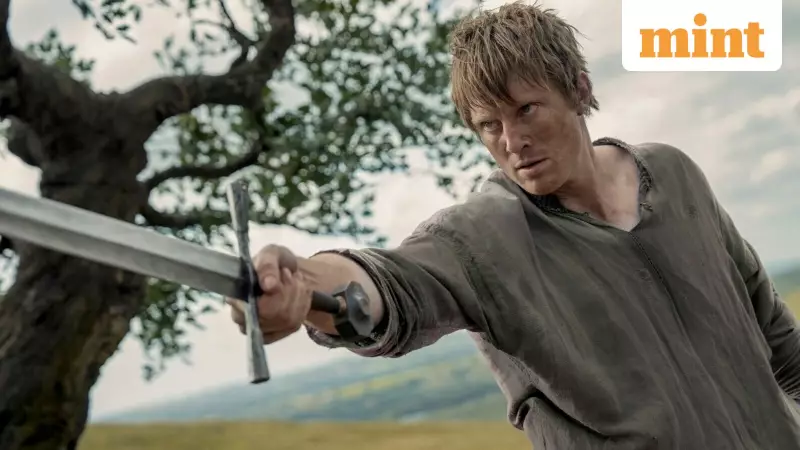
The series follows Ser Duncan "Dunk" the Tall, a humble hedge knight with more heart than polish, and his loyal squire Egg. Set about a century before 'Game of Thrones' and decades after the last dragon's death, their journey to a tournament at Ashford Meadow forms the core narrative.
Rather than immersing viewers in complex noble conspiracies and massive armies, the show centers on this unlikely duo. Their evolving bond and the everyday strangeness of a feudal world provide the main focus. Honor serves as both virtue and burden in this more personal exploration of Westeros.

Strong Performances Anchor the Series
Peter Claffey's portrayal of Dunk grounds the entire production. His awkward sincerity and moral earnestness create a through-line for what might otherwise feel like a meandering narrative. Claffey and young Dexter Sol Ansell as Egg exhibit natural chemistry that provides both levity and emotional resonance.
The choice to embrace humor represents a significant departure from earlier Thrones dramas. Physical comedy and subtle character quirkes replace the grim gravitas fans might expect. This approach generally succeeds in making the world feel lived-in rather than oppressive.
Deliberately Small Scope Creates Both Strengths and Limitations
The series' six short episodes deliberately eschew grandeur. Viewers will find no dragons, no castle sieges, and no complex dynastic scheming. Instead, the focus remains on small moments:
- Shared meals between characters
- Awkward social encounters in feudal society
- The clumsy pursuit of honor in everyday situations
This tonal shift creates undeniable charm but also leads to structural unevenness. Some episodes feel more like interludes than plot-driving chapters. The limited runtime constrains how deeply subplots can develop.
A More Contemplative Approach to Westeros
The show's restraint creates space for thoughtful exploration of Westerosi society. Class dynamics receive careful attention, as does the interplay between idealism and reality. Personal integrity becomes a central theme rather than political maneuvering.
Visually, the production maintains HBO's high standards. Thoughtful costume and set design evoke the lived-in world of the Seven Kingdoms without the excess of previous series. The decision to prioritize grounded scenes over CGI spectacle reinforces the thematic focus on humanity over myth.
A Successful Departure from Expectations
'A Knight of the Seven Kingdoms' succeeds precisely because it remains small where its predecessors were large. This is neither the political juggernaut nor the mythic epic that 'Game of Thrones' fans might anticipate. Instead, the series offers quiet depth, character-driven humor, and refreshing emphasis on friendship and personal morality.
Longtime fans may notice lower stakes than in previous Westeros stories. Yet the show's fidelity to Martin's original spirit and its willingness to reshape the franchise's narrative palette make it both accessible for newcomers and rewarding for devoted viewers. This intimate approach to storytelling expands the 'Game of Thrones' universe in meaningful new directions.