Euphoria Season 3 Sparks Intense Debate Over Rue's Fate
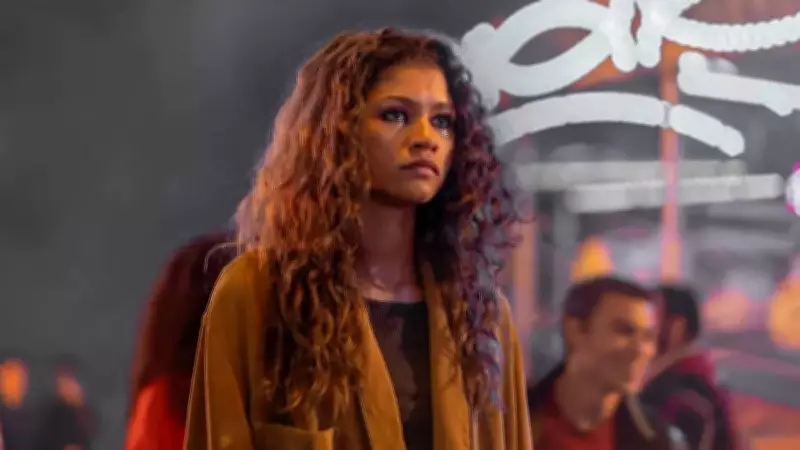
The highly anticipated third season of HBO's critically acclaimed drama Euphoria has become the center of a swirling controversy, with fans and critics alike embroiled in a heated debate about the ultimate fate of its central character, Rue Bennett, portrayed by Zendaya. As production details remain tightly under wraps, a wave of theories has flooded online forums, speculating whether the new season will chart a path toward redemption for the troubled teenager or serve as her poignant, final goodbye.
The Core of the Controversy: Redemption Arc vs. Tragic Conclusion
The controversy stems from the emotionally charged and brutally honest portrayal of Rue's struggles with addiction, mental health, and trauma throughout the first two seasons. The Season 2 finale left viewers on a tentative note of hope, with Rue choosing to stay sober after a devastating relapse and a heartfelt reconciliation with her sister, Gia. This has led to a significant faction of the audience championing a redemption narrative for Season 3.
Proponents of this theory argue that the series, known for its raw realism, has a responsibility to show recovery as a difficult but possible journey. They point to Rue's inherent resilience and the supportive, albeit flawed, relationships in her life as foundations for growth. A redemption arc, they suggest, could explore themes of forgiveness, self-acceptance, and rebuilding a life beyond addiction, offering a powerful message of hope to viewers facing similar battles.

Theory of a Final Goodbye: A Stark Reflection on Reality
Conversely, a compelling and darker theory posits that Season 3 might conclude Rue's story with a tragic ending. This perspective is rooted in the show's unflinching commitment to depicting the harsh realities of substance abuse. Analysts note that creator Sam Levinson has never shied away from tragic consequences, as seen with the fate of other characters.
This theory suggests that a "final goodbye" for Rue would serve as a devastating yet impactful commentary on the opioid crisis and the often-fatal nature of addiction when left untreated or when systemic support fails. It would underscore the series' thematic gravity and avoid what some critics might perceive as an unrealistically neat Hollywood ending for a character in such profound distress.
Production Delays and Narrative Implications
The extended production hiatus, partly due to the Hollywood strikes and Levinson's meticulous writing process, has only fueled these speculative fires. The delay has allowed theories to mature and gain traction, with fans dissecting every cryptic comment from the cast and crew.
Zendaya, who has earned two Emmy Awards for her role, has spoken cautiously about Rue's future, emphasizing the character's complexity and the weight of portraying her journey responsibly. This has led to analysis that the narrative could swing either way, with the extra time allowing the writers to craft an ending that is both true to the character and thematically resonant, whether it ends in light or darkness.
What This Means for the Series' Legacy
The debate itself highlights Euphoria's significant cultural impact. It is not merely a teen drama but a serious exploration of contemporary adolescent anguish. The direction chosen for Rue will fundamentally shape the series' legacy.
- A redemption story could cement its place as a narrative about hope and human endurance.
- A tragic conclusion would reinforce its status as a brutal, uncompromising mirror held up to society's failures.
Ultimately, the controversy ensures that all eyes will be on Season 3. Whether it delivers Rue's hard-won redemption or her heart-wrenching final goodbye, the decision is poised to be one of the most discussed television moments of the year, a testament to the powerful storytelling and character work that defines Euphoria.