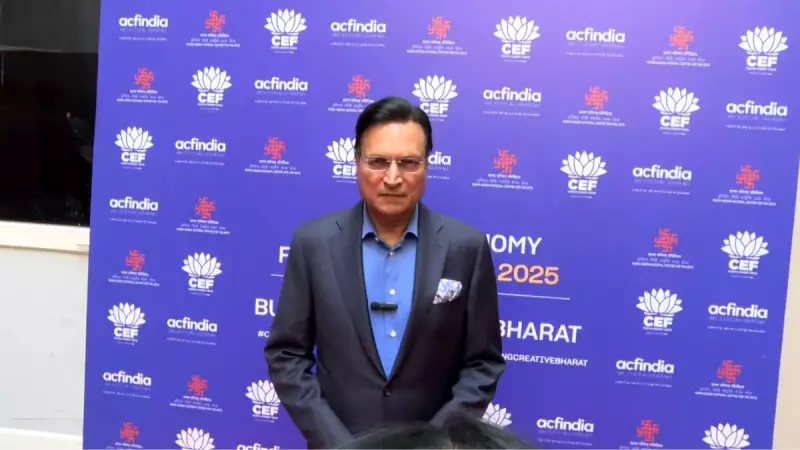
In a significant address on November 8, 2024, India TV Chairman and renowned journalist Rajat Sharma spoke candidly about the evolving challenges facing the media industry, emphasizing his commitment to impartial journalism and highlighting the emerging threat of deepfake technology.
The Legacy of AAP Ki Adalat: No Personal Agenda
Rajat Sharma, the iconic host of the long-running program AAP Ki Adalat, firmly addressed questions about his interviewing approach. He stated unequivocally that he carries no personal agenda or bias into the courtroom-style show. For Sharma, the program is a platform for accountability, not a stage for personal vendettas.
"The questions I ask are designed to seek the truth and provide clarity to the public," Sharma explained. His method is rooted in rigorous preparation and a dedication to factual questioning, ensuring that the audience receives a transparent view of the individuals in the hot seat. This principle, he believes, has been the cornerstone of the show's credibility and longevity.

Deepfakes: The New Frontier of Threats
Sharma expressed serious concern about the rise of deepfake technology, identifying it as a profound new threat to the media landscape and public trust. He described how this AI-powered tool can create hyper-realistic but entirely fabricated videos and audio, making it increasingly difficult for the public to distinguish fact from fiction.
"This technology has the potential to undermine the very foundation of journalism," Sharma warned. He stressed that the media industry must proactively develop new verification protocols and educate the public on media literacy to combat this insidious danger. The fight against misinformation, he argued, is entering an unprecedented phase.
The Pillars of Responsible Journalism
Beyond addressing immediate threats, Rajat Sharma outlined his core philosophy for India TV and journalism at large. He reiterated that the network's mission is to deliver news without fear or favor, prioritizing accuracy and public interest above all else.
He emphasized that in an era of sensationalism, the role of a responsible journalist is to act as a filter for the audience, sifting through the noise to present verified information. This commitment, according to Sharma, is non-negotiable for maintaining the trust that viewers place in a news organization.
As the media environment grows more complex, figures like Rajat Sharma highlight the enduring importance of ethical principles. His insights serve as a crucial reminder of journalism's role in a healthy democracy and the collective responsibility to safeguard it against emerging technological threats.