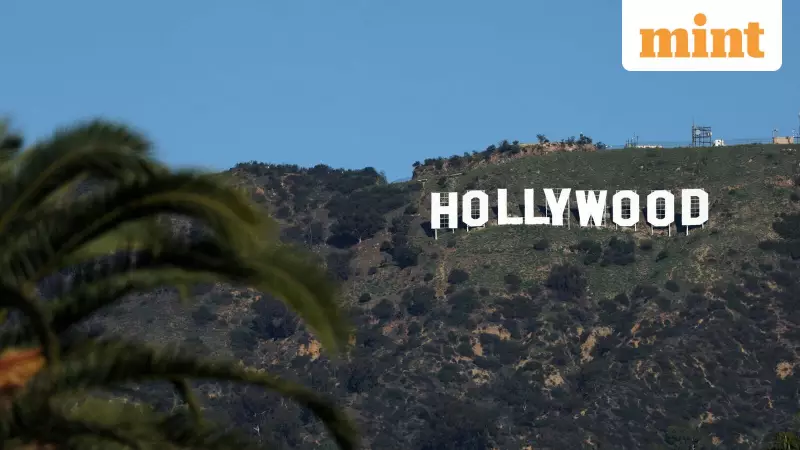
In a move that could reshape the global entertainment landscape, streaming behemoth Netflix has proposed a staggering $72 billion takeover of Warner Bros Discovery. The potential mega-merger has triggered alarm bells across Hollywood, with major unions warning of severe job losses, increased corporate power concentration, and a further decline in traditional theatrical movie releases.
Unions Sound the Alarm on Job Cuts and Power Concentration
The proposed acquisition would bring iconic Warner Bros assets, including the HBO brands and the historic Warner Bros studio itself, under the Netflix umbrella. This has led to immediate and fierce opposition from industry guilds. The Writers Guild of America East and West issued a strong statement, declaring, "This merger must be blocked." They argued that such a consolidation, where the world's largest streaming company absorbs a major competitor, is precisely what antitrust laws are designed to prevent.
The unions have raised concrete concerns about widespread job cuts, potential wage reductions, higher prices for consumers, and worsening working conditions for entertainment professionals. The Hollywood Teamsters, representing drivers, mechanics, and other crew, condemned the move as a "greed-fueled consolidation of corporate power" that directly threatens union jobs and the industry's livelihood.

A Direct Threat to Theatrical Cinema?
The deal faces intense scrutiny over its impact on the big-screen experience. The trade group Cinema United, representing over 30,000 US and 26,000 international movie screens, warned that the merger risks eliminating a quarter of the annual domestic box office. Its President, Michael O'Leary, labeled the merger "an unprecedented threat" to theatrical exhibition.
While Netflix has stated it would maintain theatrical releases for Warner Bros films and support creative professionals, O'Leary remained skeptical. He criticized the model of limited releases just to qualify for awards, stating it does not represent a real commitment to cinema exhibition.
Regulatory Hurdles and Industry Scrutiny Ahead
The blockbuster deal is not a done deal. It must pass rigorous antitrust reviews in both the United States and Europe, where politicians have already expressed skepticism. Other major guilds are also conducting their analysis. The Screen Actors Guild (SAG-AFTRA) said the merger "raises many serious questions" and is analyzing its impact on members.
The Directors Guild of America (DGA) adopted a more reserved stance, stating it has significant concerns to discuss directly with Netflix before commenting further. From a financial perspective, Netflix projects the merger will generate annual cost savings of $2 billion to $3 billion by the third year after closing. If approved, Netflix would gain control of legendary Warner Bros franchises, from modern blockbusters like "Batman" to timeless classics such as "Casablanca," fundamentally altering the balance of power in entertainment.