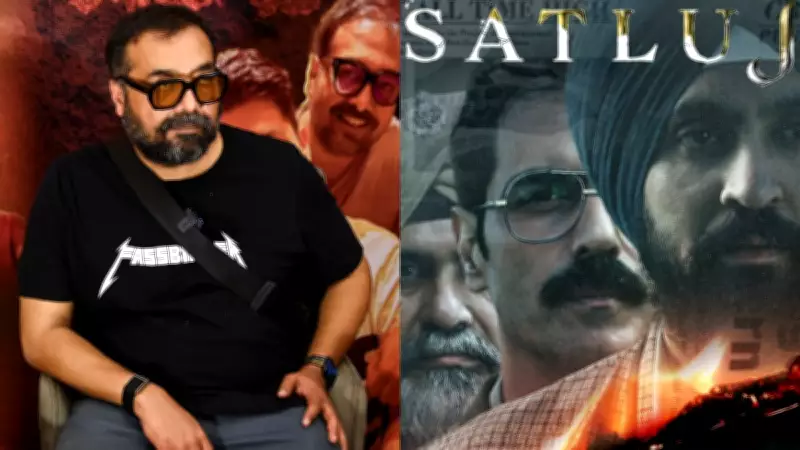
Filmmaker Anurag Kashyap has responded to the recent removal of his film Satluj from an OTT platform, suggesting that the move will likely increase curiosity and drive more viewers to seek out the film. In a statement, Kashyap said the controversy surrounding the removal will only make more people want to watch it.
Kashyap's Reaction to OTT Removal
Anurag Kashyap, known for his bold and unconventional films, addressed the removal of Satluj from the streaming service. He remarked that such actions often backfire, as they generate additional interest. “It’ll make more people want to watch it,” Kashyap stated, indicating that the ban or removal could inadvertently boost the film's popularity.
Details of the Controversy
The film Satluj was taken down from the OTT platform following complaints about its content. While specific reasons for the removal have not been officially detailed, sources suggest that certain scenes or themes were deemed objectionable by some viewers. The OTT platform has not issued a public statement regarding the removal.

Kashyap, however, remains unfazed. He emphasized that creative works often face such challenges, especially when they tackle sensitive subjects. The filmmaker has a history of pushing boundaries, and this incident is not the first time his work has sparked debate.
Impact on Viewership
According to industry observers, the removal of a film from streaming platforms often leads to a surge in demand, as audiences become curious about the banned content. In the past, similar situations have resulted in increased searches and even unofficial sharing of the content. Kashyap’s comment reflects this trend, suggesting that the controversy will ultimately benefit the film’s reach.
“Controversy always sells,” said a media analyst. “When a film is removed, it creates a sense of urgency and exclusivity, prompting more people to find ways to watch it.”
Kashyap's Stance on Censorship
Anurag Kashyap has been a vocal critic of censorship in Indian cinema. He has often argued that filmmakers should have the freedom to explore diverse narratives without fear of backlash. In this case, he views the removal as an unnecessary restriction that stifles artistic expression.
“Art should not be policed by a few individuals,” Kashyap added. “If people don’t like something, they can choose not to watch it. But removing it entirely is counterproductive.”
Future of Satluj
Despite the removal, Satluj may find its way back to streaming platforms after edits or through other distribution channels. Kashyap hinted at exploring alternative avenues to make the film accessible to audiences. “We are looking at options,” he said, though he did not provide specifics.
The film, which reportedly deals with social issues, has garnered attention for its raw portrayal of certain themes. Critics have praised its cinematography and storytelling, while some have called for greater sensitivity in its depiction.
Broader Implications
The incident highlights the ongoing tension between creative freedom and content regulation in India’s digital entertainment space. As OTT platforms grow in influence, debates over what constitutes acceptable content are likely to intensify. Kashyap’s response underscores a common sentiment among filmmakers: that controversy often fuels interest rather than dampens it.
According to a 2025 survey by a media research firm, 62% of OTT subscribers said they are more likely to watch a film if it has been involved in a controversy. This statistic aligns with Kashyap’s prediction that the removal of Satluj will ultimately boost its viewership.