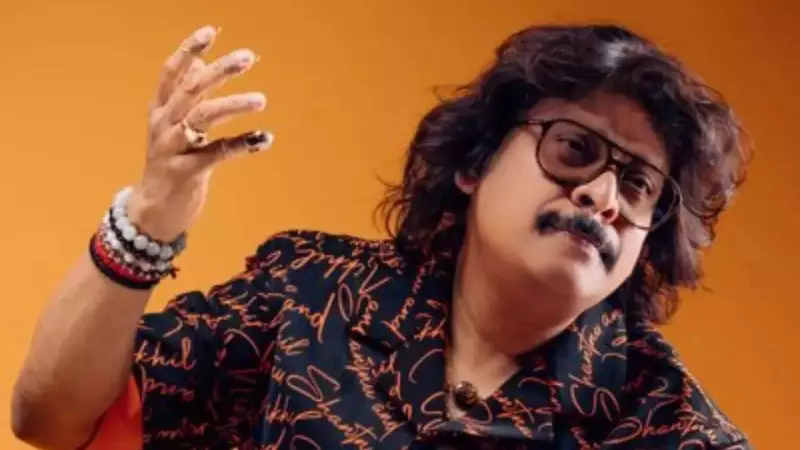
Esteemed veena maestro Rajhesh Vaidhya remains a dominant and cherished presence in the ongoing Margazhi music season. Demonstrating remarkable dedication, the instrumentalist continues to captivate audiences and fellow musicians, even after navigating a recent minor health issue. In an exclusive conversation, Vaidhya opened up about his holistic philosophy towards music, the indispensable role of social media for artists today, engaging with Generation Z, the perceived threat of Artificial Intelligence, and his plans for the future of concert culture in Chennai.
Bridging Generations: Social Media and the Gen Z Audience
When asked about the divide between classical and film music, Rajhesh Vaidhya presented a unifying perspective. For him, there is no hierarchy or separation between genres; whether it is jazz, Hindustani, or Carnatic classical, it is all simply music. This inclusive outlook extends to his approach towards newer audiences. Addressing composer AR Rahman's recent comments on attracting youth to traditional kutcheris, Vaidhya noted a positive shift.
He observes a growing number of young faces at his own concerts and points to the proliferation of classical music content, like Reels on Instagram during Margazhi, as an encouraging trend. "Gen Z listens to all kinds of music," he remarked, highlighting their eclectic tastes. He firmly believes that social media platforms are now essential tools for outreach, crucial not just for emerging talent but for established artists as well, marking a significant shift from the era of cassettes and CDs.

However, Vaidhya also acknowledged the pitfalls of the digital world. He expressed discomfort with personal critiques focused on his natural performance expressions and body language, rather than constructive feedback on the music itself. "I would like it if people commented about my music, whether it was good or bad, instead," he stated, emphasizing a desire for substance over superficial judgment.
AI, Live Emotion, and the Future of Chennai's Sabhas
The conversation turned to the emerging influence of Artificial Intelligence in the creative arts. Rajhesh Vaidhya, who collaborates with numerous film music directors, does not view AI as an imminent danger to the realm of live Carnatic concerts. He asserted that AI cannot replicate the profound depth of human emotion or the spontaneity of a live performance. Its potential threat, he feels, is more confined to the film music industry, where AI applications can generate tunes from lyrics—a practice he acknowledges exists but clarifies is not universally adopted by composers.
To ensure the vitality of Chennai's rich musical heritage, Vaidhya proposed a transformative idea for the city's famed sabhas. He suggested moving beyond the intense focus of the December-January season to hosting music festivals every month throughout the year. He pointed out that while film music concerts consistently draw packed houses, classical and fusion events deserve similar perennial promotion to reach wider audiences. This, he believes, is key to a sustained boom in Chennai's concert culture.
The Artist's Journey: From Japan to the Margazhi Rush
Rajhesh Vaidhya finds deep inspiration from engaged audiences, whether at home or abroad. He recounted a memorable performance in Japan, where a fully Japanese audience not only enjoyed the music but also connected with the thalam (rhythm) and even conversed in basic Tamil. Back in India, he appreciates when listeners inquire about the ragas and swaras used, noting that many youngsters quickly draw connections to familiar film songs based on those ragas. "If music needs to reach more people, I need to reach them in the format they understand better," he explained, underscoring the importance of relatability.
As for handling the demanding schedule of the Margazhi season, Vaidhya embraces the pressure with grace. He sees the daily rush and the opportunity to connect with hundreds of people as a special feeling, a peak period to be cherished. Despite falling ill this season, his commitment never wavered, powered by a profound faith. "I believe God and my veena will take care of me," said the legendary instrumentalist, firmly in his groove.