Sumedh K: The 21-Year-Old Composer Blending Indie Music with Kannada Cinema
At just 21 years old, composer and producer Sumedh K is steadily carving out a distinctive space in the vibrant Kannada music scene. His independent track Tulasi is rapidly gaining traction across social media platforms, celebrated for its immersive soundscapes and striking visual presentation—all while he continues his college education. Last year, he seamlessly transitioned into mainstream cinema by composing for the Kannada hit Su from the film So, showcasing his ability to move fluidly between indie projects and commercial film work.
The Core Idea for Tulasi Was Rooted in Nature
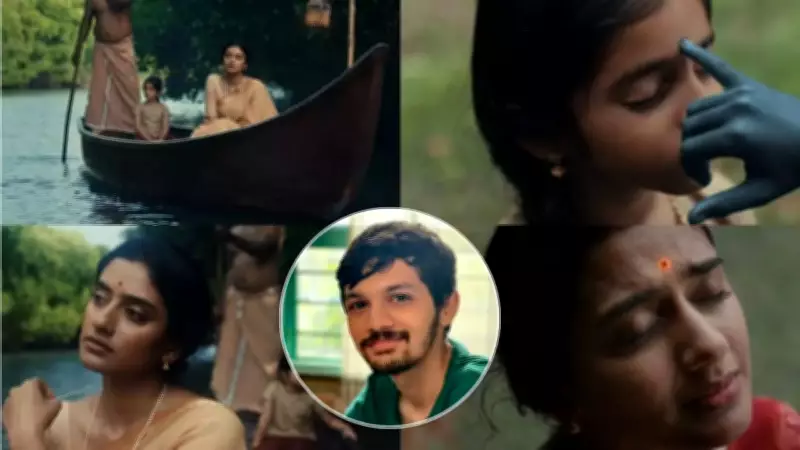
Though the captivating visuals of Tulasi have played a significant role in its rising popularity, Sumedh reveals that the song itself existed long before the video was conceived. "A few production houses approached me about creating a music video for it. We were perfectly aligned on the central idea—nature reclaiming its own identity. The stunning visuals in the final video emerged after extensive brainstorming sessions with the director and the entire creative team," he explains. For Sumedh, compelling visuals are integral to how a song is received and shared by audiences.
"I had initially released a simple lyric video earlier, and it did not gain much traction. Strong, evocative visuals genuinely help music reach a wider audience. Listeners and viewers today enjoy watching live-action or visually striking videos—they definitely amplify a song's overall impact and emotional resonance," he elaborates.

My Signature Style in Music Is a By-Product of Many Processes
Sumedh's musical journey began at the tender age of 11 with tabla lessons, which he credits for laying a solid rhythmic foundation. He later explored both Carnatic and Hindustani vocal traditions, absorbing diverse influences. "I didn't stick to one discipline consistently, but all those varied influences continue to shape and inform my music today," he says. He largely taught himself music production through "a lot of trial and error," developing his skills independently.
While listeners often notice a recognizable, cohesive thread running through his work, Sumedh insists this signature style is not intentionally crafted. "The signature sound is essentially a by-product of my creative process. Sometimes the lyrics lead the composition, sometimes the music takes precedence—it entirely depends on the core idea driving the project," he notes. He adds that most of his tracks are concept-driven rather than standalone songs, which likely contributes to their distinctive feel. "That's probably where the signature truly comes from," he reflects.
I Don't Want to Push Myself Too Hard Right Now
Currently in his third year of a Bachelor of Design programme, specializing in user experience design, Sumedh is clear about pacing himself to avoid burnout. "I want to maintain a healthy balance between independent music and film projects. I might even take a deliberate break at some point—it's too early in my career to dive too deep and risk burning out. Since I'm also juggling academic studies, it can get overwhelming. I don't want to push myself too hard at this stage," he emphasizes.
However, when asked about dream collaborations, Sumedh keeps his answer refreshingly simple and focused. "My independent music deeply reflects my personal influences and core beliefs. If I find an artist with a similar creative vision, I'd absolutely love to collaborate; it's ultimately about creating genuine, emotive art together," he states.
Film Music Has Several Boundaries, Which Indie Music Doesn't Have
Sumedh's entry into mainstream Kannada cinema came through an unexpected social media connection. "I had posted a reel of my track Daha online. Raj sir (Raj B Shetty) saw it and sent me a direct message about collaborating. I shared a few of my unreleased tracks, the film team liked them, and we created scratch versions specifically for the movie," he recalls. After working on Su from So, he noticed a clear, fundamental difference between film music and independent music creation.

"In independent music, you have the freedom to express exactly what you want. In films, you serve the narrative and must work within certain creative boundaries," he explains, while adding, "Even with those limitations, it was an incredibly rewarding and great experience."
Music and Technology Do Go Hand in Hand
Known for his layered production techniques and distinct vocal textures, Sumedh views singing and production as inseparable, complementary skills. "It's much easier for me to fully express a musical idea when it combines my vocal expression with my production skills. They genuinely go hand in hand," he explains. On ongoing debates around auto-tune and artificial intelligence in music, he offers a balanced perspective.
"Auto-tune has existed since the 1990s. It's been an integral part of the music people have consumed for decades. Today's listeners are generally accustomed to pitch-perfect sound in recordings," he notes. He concludes, "As long as the technology doesn't interfere with or dilute the core idea you're trying to express, its use is perfectly fine and can be a powerful tool."