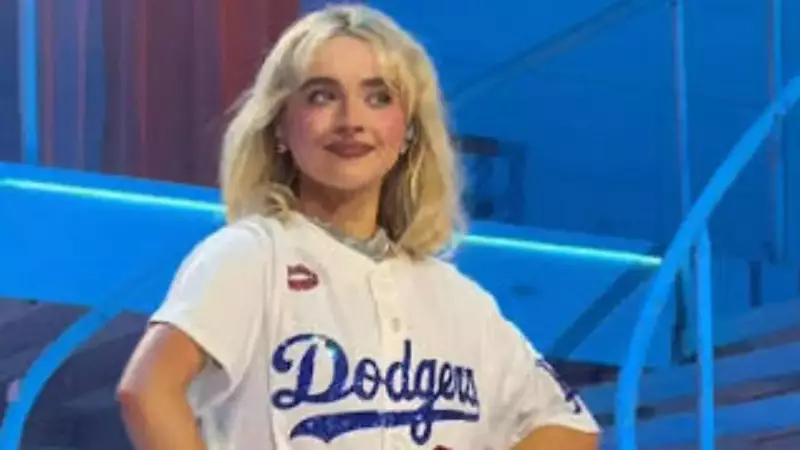
The White House has ignited a fresh controversy by using pop singer Sabrina Carpenter's music without permission in a video promoting immigration raids. The incident has led to a public clash between the singer and the administration, drawing attention to the ongoing issue of artists' work being co-opted for political messaging.
Sabrina Carpenter's Strong Condemnation
On December 2, the official social media accounts of the White House posted a compilation video featuring footage of raids conducted by Immigration and Customs Enforcement (ICE). The video was set to the backdrop of one of Sabrina Carpenter's popular tracks, 'Juno'. The use of the upbeat song in a video depicting law enforcement actions was immediately criticised.
Sabrina Carpenter did not stay silent. The singer, known for hits like 'Espresso', publicly called out the administration. She stated unequivocally, "This video is evil and disgusting. Do not ever involve me or my music to benefit your inhumane agenda." Her comment was widely supported by fans and netizens, who praised her for taking a stand against the unauthorised use of her art.

The White House's Defiant Response
Following the backlash, representatives from the White House and the Donald Trump administration issued an official statement. As reported by Entertainment Weekly, the statement was sharply worded and refused to apologise. It read, "Here's a Short n' Sweet message for Sabrina Carpenter: we won't apologize for deporting dangerous criminal illegal murderers, rapists, and pedophiles from our country."
In a pointed jab, the statement concluded, "Anyone who would defend these sick monsters must be stupid, or is it slow?" This final line was a direct lyrical reference to Carpenter's own song 'Manchild', escalating the war of words. The response framed the criticism as a defence of criminal elements rather than a question of copyright or artistic consent.
A Growing List of Artist Protests
Sabrina Carpenter is not the first artist to find themselves in this situation. She joins a long and growing list of musicians who have objected to the unauthorised use of their work by political entities. This pattern highlights a recurring tension between political campaigns and artistic copyright.
Just in October of this year, legendary singer Kenny Loggins demanded the removal of his song 'Danger Zone' from an AI-generated video featuring former President Trump. Loggins stated he would have denied permission and asked for the immediate removal of his recording, criticising the video's divisive purpose.
Other prominent artists who have previously called out the administration for similar reasons include:
- Pharrell Williams
- Johnny Marr (The Smiths)
- Rihanna
- Ozzy Osbourne
- Nickelback
- Linkin Park
The recurring nature of these incidents underscores a systemic issue where artists' creative expressions are used without consultation, often for messaging they may fundamentally oppose. The public stand taken by figures like Sabrina Carpenter continues to fuel the debate over ethics, copyright, and the politicisation of art in the digital age.