At his sold-out Mumbai show last November, American musician Jon Batiste closed with a special tribute. He played Ye hai Bombay meri jaan on a melodica. The audience rose to their feet. This moment showed India's enduring love for OP Nayyar's melody, even after seventy years.
A Fresh Sound for a New Nation
OP Nayyar brought a new energy to Hindi film music. At a time when composers leaned heavily on classical traditions, Nayyar looked to the streets. He borrowed from folk music and everyday rhythms. His songs felt playful, romantic, and modern. They expressed desire, often from a woman's perspective, with a charming boldness.
Think of Geeta Dutt's Babuji dheere chalna or Madhubala's sultry Aaiye meherbaan. These songs gave female characters a new voice. They had agency and a playful charm, or shokhi. Nayyar's music celebrated joy in a nation still finding its feet after independence.

The Unmistakable Nayyar Signature
You can recognize an OP Nayyar song within seconds. The openings are strong and unique. The mandolin and claps of Ude jab jab zulfein teri. The famous harmonium prelude of Kajra mohobbat wala. The piano chords starting Aapke haseen rukh pe.
He mastered rhythm like no other. Songs with a galloping ghoda-gaadi beat, like Maang ke saath, became his signature. They turned him into the undisputed king of rhythm. His work on Naya Daur earned him a Filmfare award in 1958.
The Man Behind the Music
Born into a conservative Punjabi family in Lahore, Omkar Prasad Nayyar learned music basics from his mother. His father disapproved, calling singing fit only for street entertainers. A beating for coming home late from a fair did not deter him. His head was full of the rhythms he had heard.
Defying family pressure to pursue medicine, he ran away. He joined a touring theatre company in Punjab for fifteen rupees a month. This immersion in folk music shaped his future sound. His first major success came with the private recording Pritam aan milo in 1945.
A Stubborn Streak and Lasting Legacy
Nayyar was famously headstrong. After Lata Mangeshkar refused to sing for his first film Aasmaan, he vowed never to work with her. He never did. This decision led him to champion Asha Bhosle, then a secondary singer. Under his guidance, she became a superstar, singing iconic numbers for leading ladies.
His professional relationship with Mohammad Rafi also hit a rough patch when Rafi was late for a recording. They reconciled only after a chance meeting and an apology. Nayyar valued respect above all.
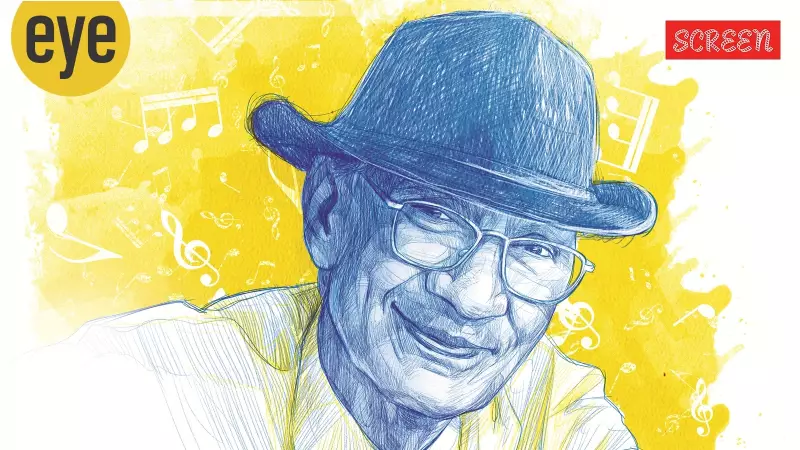
He was always impeccably dressed in white, with a black hat for flair. After early successes, he drove back to Amritsar in a lemon Chevrolet Impala to show his family he had "arrived."
Timeless Melodies for New Generations
OP Nayyar's music refuses to age. Singer Sona Mohapatra, who recorded a remix of Kabhi aar kabhi paar in 2004, notes how new generations discover his songs on social media. "Timeless music doesn't belong to an era; it belongs to curiosity," she says.
His tunes continue to find new life. Anurag Kashyap used remakes in Bombay Velvet. Tareef karun features in advertisements. The mark of a great composition is when it makes every generation move.
In his later years, Nayyar lived a relatively secluded life in Thane. He passed away in 2007 at the age of 81. He once said, "Individuality and self-respect are expensive commodities." He paid that price throughout his life, staying fiercely true to his artistic vision.
On his 100th birth anniversary, we remember a composer who gave Hindi cinema its swing, its sensuality, and its soul. His rhythms still set hearts beating, just as they did for a young India.