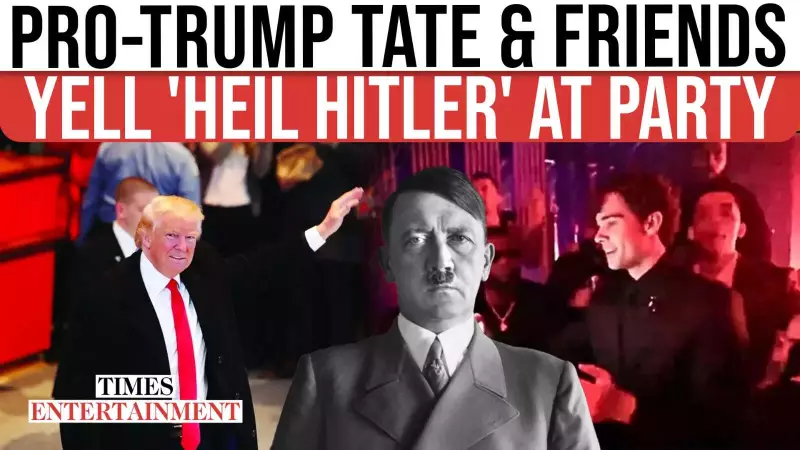
A Miami Beach nightclub faces intense backlash after shocking videos emerged online. The footage shows controversial internet personalities singing along to a song that praises Adolf Hitler. This incident occurred during a party for influencers in South Beach.
Viral Videos Spark Immediate Outrage
Social media platforms quickly filled with clips from the event. The videos clearly show Andrew Tate, Nick Fuentes, and other far-right figures enjoying the music. The song in question is by Kanye West and contains lyrics that glorify the Nazi leader.
Public reaction was swift and severe. Many people expressed disgust and anger online. They condemned the apparent celebration of extremist ideology in a public venue.

Club Issues Public Apology
The nightclub management responded to the growing controversy. They issued a formal public apology within hours of the videos going viral. The statement expressed regret over the incident.
The club also announced an internal investigation. Management promised to review their event booking policies. They stated they would take steps to prevent similar situations in the future.
Broader Concerns About Extremist Normalization
This event has reignited important discussions about online influence. Experts worry about how extremist ideas spread through influencer networks. They note the dangerous shift from online rhetoric to real-world actions.
The Miami incident demonstrates how hateful content can move into physical spaces. It shows how social media personalities can amplify dangerous ideologies. This blurring of digital and physical boundaries alarms many observers.
Historical Context and Present Dangers
Praising Adolf Hitler remains deeply offensive to millions worldwide. The Nazi regime caused unimaginable suffering during World War II. Any celebration of its leader understandably triggers strong emotional responses.
Kanye West has faced previous criticism for antisemitic comments. His music sometimes reflects these controversial views. The Miami party chose to play one of his most inflammatory tracks.
What Happens Next?
The nightclub's investigation continues. They must determine how this song made it onto their playlist. They also need to address why these particular guests were allowed to behave this way.
Online platforms may also take action. Social media companies could review the viral videos. They might consider removing content that promotes hate speech.
This incident serves as a warning to other venues. It highlights the risks of hosting controversial figures. It shows how quickly a private party can become a public relations disaster.
The conversation about extremist normalization will continue. Many people hope this event sparks meaningful change. They want stronger safeguards against hate speech in entertainment spaces.