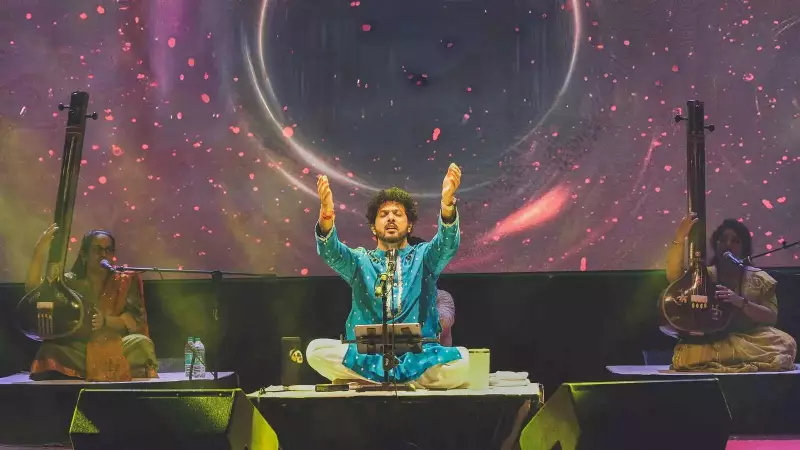
Mahesh Kale Returns to Hyderabad with Evolved Musical Repertoire
National Award-winning vocalist Mahesh Kale made a significant return to Hyderabad after a two-year absence. He brought more than just his signature abhangs this time. The performer presented a diverse musical set that reflects his personal evolution on stage.
Hyderabad holds a special place in Kale's heart. He feels the city's rich legacy of Indian classical music deeply during every performance here. Ahead of his Saturday concert, he shared his thoughts with Hyderabad Times about this homecoming and his artistic journey.
Every Return Feels Fresh and New
Mahesh Kale's last Hyderabad visit featured Abhangwari, a concert dedicated entirely to devotional poetry praising Lord Vitthal. This time, audiences experienced something different.

"This concert represents a mini mixed bag," Kale explained. "It includes classical pieces, semi-classical works, my own original compositions, and of course, abhangs."
He emphasized the central role of classical music in his artistic identity. "Classical music forms the core of everything I do. It serves as the foundation that brings all other elements together in harmony."
Classical Music Needs Greater Visibility
Mahesh Kale holds a firm belief about Indian classical music's current status. He argues that classical music hasn't lost its relevance in modern times. Instead, it has suffered from diminished visibility in mainstream media.
"When was the last time you heard Indian classical music during prime time on radio or television?" he questioned pointedly.
To address this visibility gap, Kale has actively taken classical music beyond traditional concert venues. He performs at international music festivals, large public events, and television programs like Sur Nava Dhyas Nava. These platforms help classical music reach broader, more diverse audiences.
Kale shared an important observation about audience engagement. "Once people experience classical music performed live, they discover its emotional depth and quiet power. That initial connection often sparks genuine curiosity. This curiosity naturally leads them to explore more concerts and develop lasting relationships with the music."
He directly challenges common misconceptions about classical music being too slow or inaccessible. "Approaching classical music resembles taking a scenic route through beautiful countryside. You don't rush through the experience. Instead, you slow your pace to fully appreciate the view along the way."
According to Kale, patience comes naturally when listeners allow themselves to become active participants in the musical journey rather than passive observers.
Discipline Sustains the Musical Journey
For young students aspiring to pursue classical music careers, Mahesh Kale offers clear, straightforward advice. "Express yourself authentically and live your own musical dream," he stated simply.
He emphasized a crucial point about artistic development. "Discipline sometimes proves even more important than musical skill itself. Consistent practice and structured approach make all the difference."
As a disciple of legendary maestro Pandit Jitendra Abhisheki, discipline has formed a defining thread throughout Kale's musical journey. His transition from engineering to full-time music performance required exceptional balancing skills.
He managed academic responsibilities, completed a master's degree in the United States, and maintained rigorous classical training simultaneously. This demanding period taught him the enduring value of structure and effective time management.
"That early discipline continues to support me today," Kale reflected. "It helps me manage international travel across multiple time zones, cope with frequent jet lag, balance teaching responsibilities with performance commitments, and maintain artistic consistency. I tour internationally for nearly half of each year. Only established routines and consistent discipline keep my music grounded and authentic."

Mahesh Kale's Hyderabad concert represented more than just another performance. It showcased an artist continually evolving while remaining rooted in classical traditions. His message about discipline, visibility, and authentic expression resonates with both seasoned enthusiasts and new listeners discovering classical music's timeless appeal.