Mahesh Kale's Historic Mumbai Concert Bridges Indian Classical and Western Symphonic Music
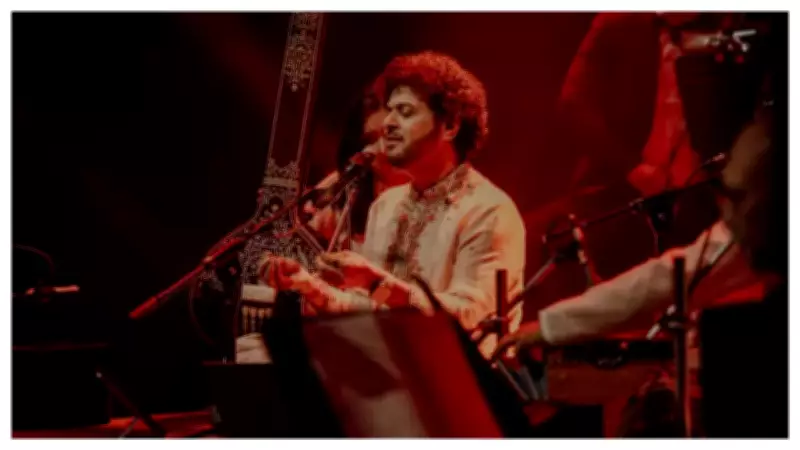
A packed auditorium in Mumbai's Bandra Kurla Complex (BKC) echoed with enthusiastic applause on Sunday, February 22, as National Award-winning Hindustani classical vocalist Mahesh Kale presented 'Mahesh Kale Live with the Budapest Scoring Orchestra'. This landmark event marked a significant cultural milestone, bringing Indian classical music into a profound dialogue with a full Western symphonic ensemble for the first time.
A Reverential Opening and Seamless Fusion
The evening commenced on a deeply spiritual note, with Mahesh Kale seeking blessings from his late guru, Pandit Jitendra Abhisheki, and the audience. He initiated the performance with a meditative solo exposition in Raag Jog, setting a contemplative tone. As the raga unfolded, the Budapest Scoring Orchestra entered gently, not to dominate but to embrace the emotional landscape of the Indian classical tradition with remarkable sensitivity and restraint.
What followed was a seamless confluence of musical worlds, where Indian melody and Western harmony listened, responded, and ascended together in a harmonious blend. The repertoire traversed expansive musical territories, ranging from pure classical forms arranged symphonically to semi-classical pieces, raga malas, abhangs, and original compositions by Kale himself.

Orchestral Treatment of Iconic Tracks
Iconic tracks such as 'Lagi Kalejava Katar', 'Chaap Tilak', 'He Suranno Chandra Vha', 'Janaki Nath', and 'Jheeni Re Jheeni' received full-bodied orchestral arrangements while meticulously preserving their intrinsic Indian soul. This innovative approach allowed the audience to experience familiar compositions in a novel, enriched context, highlighting the versatility and depth of both musical traditions.
Behind the Ambitious Collaboration
Based in San Francisco and renowned for bridging tradition with contemporary audiences, Mahesh Kale attributed the ambitious collaboration to an idea sparked by music director Rahul Ranade. Kale explained, "The idea began with my music director friend Rahul Ranade, who suggested an interesting collaboration between Indian classical music and a Western symphony — something that hadn't been done before." He credited arranger Kamlesh Bhadkamkar for shaping the orchestral vision, ensuring the fusion remained authentic and respectful to both styles.
Orchestra CEO Balint Sapzson emphasized the uniqueness of the project, stating, "This is our very first time doing 100% Classical Indian music... that made it incredibly exciting for us." Conductor George Gulyas-Nagy echoed this sentiment, reflecting on the cross-cultural exchange: "We come from completely different systems... yet we understood each other without words. Music truly is an international language."
A Fitting Finale and Lasting Impact
As the evening drew to a close, Mahesh Kale reflected softly on the ephemeral nature of joy, remarking, "Happy moments are fleeting." He concluded the concert with a gratitude song to Lord Vitthal and invited the audience to sing along to 'Kanada Raja Pandharicha', creating a communal and uplifting finale. This night powerfully demonstrated that music transcends linguistic and cultural barriers, needing no translation to evoke profound emotional connections.
The concert not only showcased artistic innovation but also set a precedent for future collaborations between Indian and Western musical traditions, promising to inspire musicians and audiences alike.