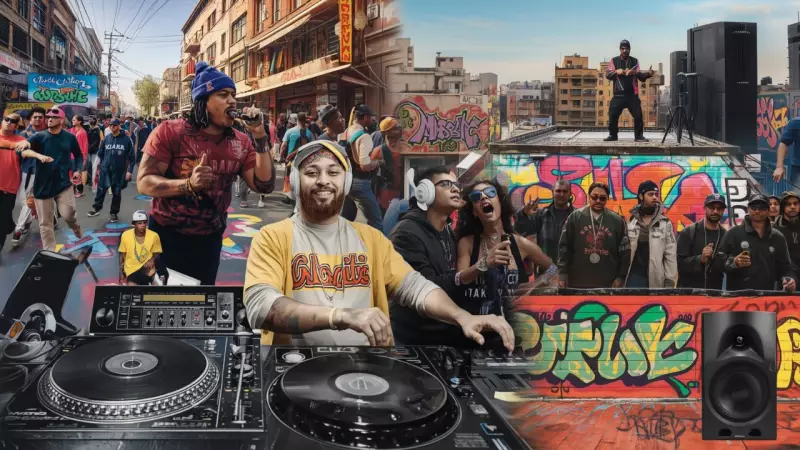
In the sweltering summer of 1973, a revolutionary sound was born not in a fancy studio, but on the streets of the Bronx, New York. A young DJ named Kool Herc set up his turntables at a neighbourhood block party, and history was made. The energetic, rhythmic beats he crafted sparked a new form of dance and expression among the local youth. This moment is widely celebrated as the birth of hip-hop culture, a powerful movement created by African-American and Latino communities to challenge racism, poverty, and deep social inequalities.
The Four Pillars and a Global Voice
This local New York phenomenon quickly grew into a global force. The culture rests on four foundational elements: DJing, emceeing (rapping), breakdancing, and graffiti art. While all were crucial, it was emceeing, or rapping, that soared to international fame. Rap evolved into a sharp tool for expression, resistance, and social commentary. It gave a microphone to the oppressed, allowing artists to critique systemic injustice and urban struggle.
Tracks like Grandmaster Flash's "The Message" painted a raw picture of inner-city life, while groups like Public Enemy took direct aim at racist structures. The sound of protest and reality began to echo far beyond American shores, eventually finding a passionate audience in India.

Desi Beats: Hip-Hop Finds Its Indian Rhythm
The seeds of Indian hip-hop were sown in the early 1990s. Pioneer Baba Sehgal introduced the concept to mainstream audiences with his quirky track "Thanda Paani" in 1992. The genre took a more localized turn in 1999 when Javed Jaffrey infused Mumbai's signature slang into his hit "Mumbhai". However, the true transformation began when a new wave of artists emerged from the nation's own streets.
Artists like Yo Yo Honey Singh, Divine, Raftaar, and Naezy reshaped the landscape. They replaced imported references with local languages, street narratives, and authentic urban Indian realities. Anthems like Divine and Naezy's "Mere Gully Mein" voiced the everyday dreams and struggles of millions, creating a powerful connection with the youth.
Mainstream Boom: Gully Boy and MTV Hustle
The year 2019 became a definitive turning point for Indian hip-hop. Director Zoya Akhtar's film "Gully Boy", inspired by the real lives of Divine and Naezy, exploded onto the Bollywood screen. The movie brought underground rap culture national recognition and introduced its raw authenticity to a massive, diverse audience.
Almost simultaneously, MTV launched India's first rap-based reality competition, "MTV Hustle", in August 2019. Judged by industry stalwarts like Raftaar, Nucleya, and Raja Kumari, the show became a crucial platform for undiscovered talent from every corner of the country. Its immense popularity led to three more successful seasons, inspiring a generation of aspiring rappers.
Today, hip-hop is no longer a niche genre in India; it is a major cultural movement. In 2023, it emerged as the fourth most listened-to genre on Spotify India, a statistic that underscores its massive popularity. Its influence now extends far beyond music, shaping street fashion, youth slang, visual art, and socio-political discourse. The journey from the Bronx block parties to the bustling gullies of Mumbai and Delhi has truly redefined music, art, and urban identity for a new India.