The Musical Journey of Ishq Jalakar: From Classical Qawwali to Modern Adaptation
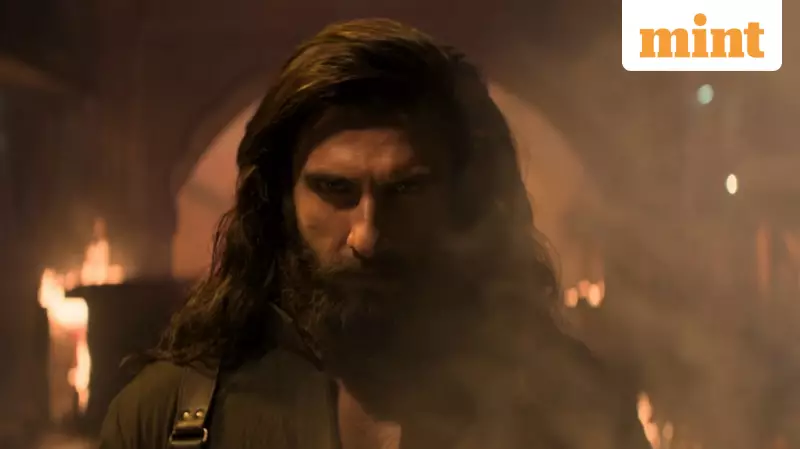
The highly anticipated single 'Ishq Jalakar (Karavaan)' by Dhurandar represents more than just another music release - it carries a musical legacy that spans multiple generations of Indian classical and film music. While fans eagerly awaited its scheduled unveiling on November 24, 2025 at 3:03 pm, the song's significance lies not in its release timing but in the deep historical roots of its composition.
The Classical Qawwali Origins
At the core of Ishq Jalakar (Karavaan) lies the legendary qawwali 'Na Toh Butkade Ki Talab Mujhe', originally performed by the famous musical duo Ustad Fateh Ali Khan and Ustad Mubarak Ali Khan. This classical composition belonged to the traditional qawwali repertoire known for its spiritual longing, profound emotional vocal work, and sophisticated melodic structure. Long before it reached mainstream audiences, this piece was celebrated among connoisseurs of traditional Indian music for its artistic excellence and emotional depth.
Bollywood Adaptation in Barsaat Ki Raat
The melody found widespread popularity when it was adapted for cinema in the 1960 musical drama 'Barsaat Ki Raat'. Renowned music director Roshan masterfully reworked the traditional composition to create the now-iconic film qawwali 'Na Toh Karwaan Ki Talash Hai'. This cinematic version was elevated by the lyrical genius of celebrated poet Sahir Ludhianvi, who transformed the original Sufi essence into a deeply cinematic emotional expression that resonated with movie audiences.

The Barsaat Ki Raat version became particularly memorable due to its extraordinary ensemble of vocalists, a rare combination that included:
- Manna Dey
- Asha Bhosle
- Sudha Malhotra
- S.D. Batish
- Mohammed Rafi
Their collective performance created an unforgettable screen moment that ensured the melody would live on for generations after the film's release. For countless music lovers, this version served as their grand introduction to the world of qawwali, establishing Barsaat Ki Raat as a pillar of musical cinema in India.
Modern Interpretation and Release Delay
Dhurandar's Ishq Jalakar (Karavaan) marks the next evolutionary step for this enduring composition. As a contemporary adaptation, it aims to bridge classic soulfulness with modern production techniques and current musical sensibilities. The new version builds upon a melody already deeply etched into Indian music history, ensuring its arrival as part of a long and respected musical lineage rather than just another film track.
However, the song's introduction to the public has encountered an emotional pause. The sudden passing of veteran actor Dharmendra at age 89 on the same day as the scheduled release has cast a shadow over the entertainment industry. While director Aditya Dhar and Maddock Films have not issued formal confirmation, the music launch appears to have been delayed out of respect for the mourning period. Industry figures and fans are currently grieving Dharmendra's death, making the release of a celebratory promotional track seem inappropriate in the current atmosphere.
Despite this temporary postponement, the significance of the music's arrival remains unchanged. For many listeners - both younger audiences discovering the composition for the first time and older listeners familiar with its earlier versions - Ishq Jalakar (Karavaan) represents a bridge between musical eras. It demonstrates how timeless melodies travel, transform, and reappear, shaped by new artists while maintaining their original emotional core.
Industry expectations suggest the song will release later, either within the same day or on a new date, once the entertainment community transitions to a more respectful space. Although Dhurandar's team has yet to provide clarification, anticipation remains exceptionally high - not only because of the postponement but because the composition being reintroduced carries substantial cultural and artistic weight that transcends generations of Indian music history.