AR Rahman's Stirring Abu Dhabi Performance Amid Bollywood Controversy
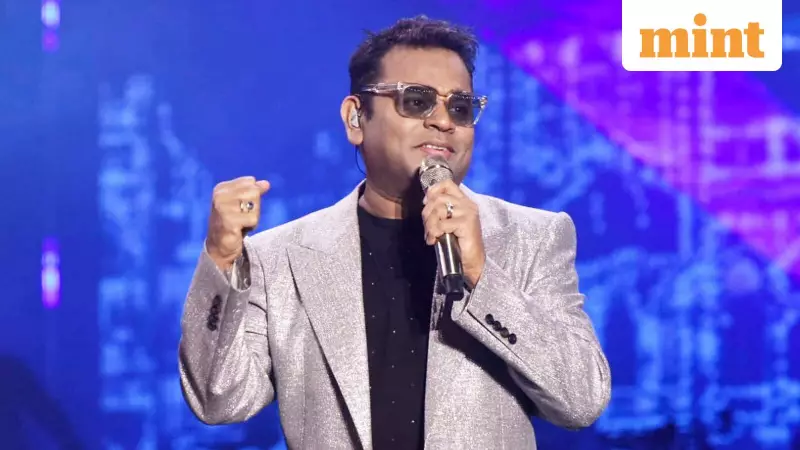
Oscar-winning composer AR Rahman delivered a powerful and emotionally charged performance at a sold-out concert in Abu Dhabi, just days after his comments about Bollywood and "divisiveness" ignited widespread debate across social media platforms. The event, held at the Etihad Arena on January 23, saw Rahman captivating a massive audience with his timeless patriotic anthems and popular hits, creating an atmosphere of unity and celebration.
Concert Highlights and Audience Response
Videos from the concert quickly circulated online, showing Rahman performing iconic patriotic classics including Jana Gana Mana and Vande Mataram, which drew thunderous applause and enthusiastic participation from the crowd. According to filmmaker Shekhar Kapur, who attended the event, the arena was completely packed with nearly 20,000 people cheering, singing, dancing, and at times becoming visibly emotional during Rahman's performance.
Kapur described the evening as an "exhilarating concert" in a post on X (formerly Twitter), noting the incredible energy and connection between the artist and his audience. The four-hour-long show reportedly began with several South Indian tracks before transitioning to Rahman's beloved Hindi hits, creating a diverse musical journey that resonated with fans from various backgrounds.

Setlist and Musical Journey
The concert's setlist featured a carefully curated selection of Rahman's most celebrated works:
- Opening with Jana Gana Mana from Mani Ratnam's Aayutha Ezhuthu
- Multiple South Indian compositions showcasing his regional roots
- Patriotic medley including Vande Mataram/Maa Tujhe Salaam
- Academy Award-winning Jai Ho from Slumdog Millionaire
Lifestyle influencer Prince, who attended the concert, confirmed that Rahman began with several South Indian tracks before moving to his Hindi hits, demonstrating the composer's versatility and broad appeal across linguistic and cultural boundaries.
Controversial Background and Industry Comments
The concert took place against the backdrop of significant controversy stemming from Rahman's recent interview with the BBC Asian Network. During the conversation, the composer reflected on his diminishing presence in mainstream Hindi cinema over recent years, suggesting that a "power shift" had occurred in the industry.
Rahman expressed concern that people who were "not creative" appeared to hold greater influence now, and he suggested that this change could potentially be "a communal thing," while clarifying that he hadn't faced such issues directly or overtly. His comments about the film Chhaava, which he accused of leveraging divisiveness for commercial gain, further fueled the online debate.
Support and Clarification
Amid the backlash following his interview, Rahman received substantial support from various quarters. Singer Chinmayi Sripaada strongly defended the composer against misleading claims that he had previously refused to sing Vande Mataram or Maa Tujhe Salaam, pointing to Rahman's long-standing association with patriotic music and his numerous public performances of these songs.
Rahman's children—Khatija, Raheema, and Ameen—also publicly supported their father, sharing posts that urged restraint in interpreting his comments. The composer himself addressed the controversy directly through a video message, reiterating his deep connection with India, which he described as his "inspiration, teacher, and home."
UAE-based filmmaker Nayla Al Khaja joined the voices supporting Rahman, praising his extensive body of work and calling for a more nuanced understanding of his remarks. Rahman emphasized that while his intentions were always rooted in creativity and inclusiveness, he acknowledged that they could sometimes be misunderstood in the current polarized environment.
The Abu Dhabi concert thus served not only as a musical celebration but also as a powerful statement about artistic integrity and national pride, coming at a time when Rahman's comments about the film industry had sparked significant discussion about creativity, representation, and commercial pressures in contemporary Indian cinema.