Abhay Jodhpurkar Reflects on Bollywood Journey, Industry Realities & Mentorship
Singer Abhay Jodhpurkar has established a remarkable presence in India's contemporary music scene, transitioning from chart-topping Bollywood contributions to prestigious collaborations with legends like A.R. Rahman and the acclaimed composer duo Ajay-Atul. Widely recognized as the voice behind the emotive track Mere Naam Tu, featured on Shah Rukh Khan in the film Zero, Jodhpurkar offers candid insights into the modern music business. In an extensive conversation, he addresses shrinking creative autonomy, social media pressures, label dynamics, royalties in the streaming age, and the invaluable wisdom gained from Rahman.
The Defining Break: Voicing Shah Rukh Khan in 'Mere Naam Tu'
Your Bollywood debut became iconic as you lent your voice to Shah Rukh Khan in 'Mere Naam Tu' from Zero. How did this opportunity unfold, and what memories stand out from recording this career-defining song?
"Being launched as the voice of Shah Rukh Khan represents the ultimate debut imaginable, and I owe this entirely to Ajay-Atul," Jodhpurkar reflects. "I relocated to Bombay in 2017, eager to enter Bollywood, when I connected with Ajay-Atul. They discovered one of my cover renditions of their composition Jeev Rangla, and upon hearing it, promptly contacted me to audition for several songs, including Mere Naam Tu."

He recounts a pivotal moment: "I was visiting the Mahakaleshwar Temple in Ujjain, filled with spiritual energy, when I received an urgent call requesting my immediate presence at Yash Raj Studios. Unable to travel instantly, I requested a delay until the following day. I flew back promptly, recorded a scratch version of Mere Naam Tu, and the team deliberated on retaining my vocals. After a fourteen-day shoot, Shah Rukh Khan himself felt the voice matched his persona perfectly, leading to the final decision. I am profoundly grateful to Ajay-Atul for taking this risk—it was a monumental responsibility that culminated in a dream come true, singing for my favorite SRK."
Label Politics and Artistic Freedom in Modern Music
There is ongoing discourse about music label politics and industry gatekeeping. From your perspective, how do label dynamics impact opportunities and artistic expression for singers?
"Labels have grown disproportionately powerful compared to musicians themselves," Jodhpurkar observes. "The balance has shifted decisively toward corporate interests, often at the expense of artistic vision. Briefs are frequently vague and generic, with unwarranted interference in creative processes that should remain the domain of artists."
He emphasizes communication challenges: "Respect and clarity are paramount, yet messages often degrade into misinterpretations, resulting in final products that satisfy no one. Decisions must align during the creative phase, not be dictated by political or ownership pressures. Numerous opportunities are lost when financial motives overshadow artistic potential."
Royalties and Recognition in the Streaming Era
With the proliferation of streaming platforms and evolving royalty models, do playback singers today receive equitable recognition and compensation?
"Absolutely," Jodhpurkar affirms. "Platforms like Spotify, Gaana, Apple Music, JioSaavn, and Amazon Music have bolstered artist revenues significantly. Organizations like ISAMRA now collect royalties for singers and lyricists, ensuring a share that previously went solely to composers and labels. While amounts remain comparatively modest, they have increased steadily, with ISAMRA extending collections globally."
He credits industry pioneers: "This progress stems from trailblazers like Lata Mangeshkar ji, whose advocacy paved the way for current systems. It provides a decent support framework, enabling artists to sustain their creative journeys more effectively."
Transformative Lessons from Collaborating with A.R. Rahman
Having worked extensively with A.R. Rahman, what distinguishes his creative approach, and how has this collaboration influenced your artistic development?

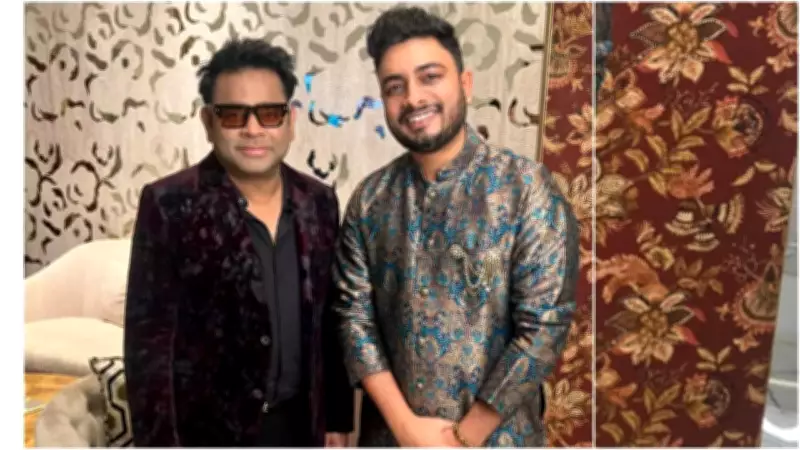
"Every recording session with Rahman sir has been revelatory—a soul-reviving, deeply enriching experience," Jodhpurkar shares. "He uncovers latent dimensions within you, extracting unparalleled excellence. His methodology grants complete creative liberty, akin to providing a playground with guidance, then encouraging surrender to the moment."
He highlights core principles: "Rahman sir emphasizes originality, authenticity, and honesty in vocal expression. He insists on hearing your distinct voice, urging constant self-improvement: 'If you're not competing with yourself, you're wasting time.' He fosters a childlike curiosity, advocating experimentation and emotional rawness over technical perfection, as technology can adjust the latter."
Jodhpurkar adds, "Over time, he has evolved from mentor to friend, offering guidance through challenges. My early career involved transcribing music and scratch recordings for him, establishing a robust foundation. Recently, contributing to the multilingual soundtrack Gandhi Talks in Marathi was particularly special, marking my first major project in my mother tongue."
Contemporary Challenges: Creativity, Finance, and Professional Pressures
What are the foremost challenges and pressures confronting singers today—creatively, financially, and professionally?
"The primary obstacle is diminished creative freedom," Jodhpurkar states. "Artists frequently lack space to contribute meaningfully, with individuality suppressed in favor of formulaic sounds. This stifles exploration and innovation."
He addresses visibility demands: "Social media presence often outweighs artistic merit, creating problematic priorities. Financially, scratch singers deserve dedicated compensation, as they shape songs that may later be recorded by others without remuneration. Budget allocations also skew toward visuals, neglecting audio departments."
Despite these issues, he notes positives: "We live in an era of abundant exposure and platforms. Independent music is flourishing, offering artists expanded opportunities for growth and diversification."