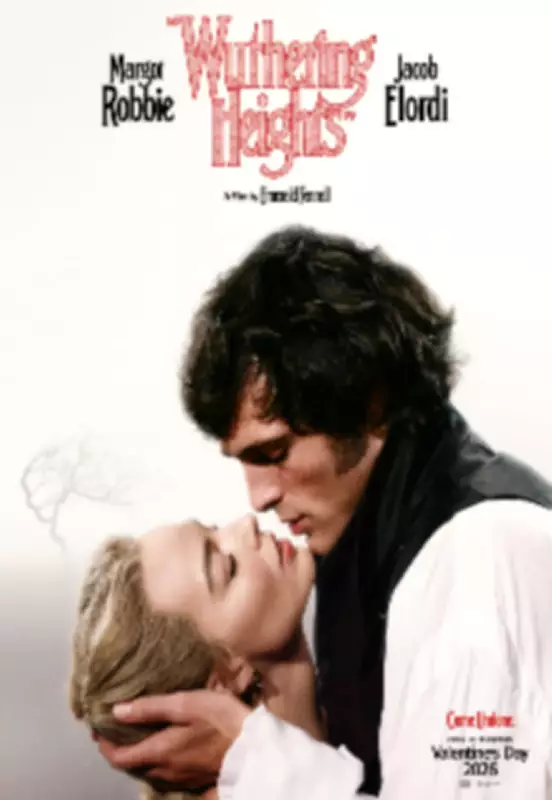
Emerald Fennell's Wuthering Heights: A Haunting Retelling of a Classic Love Story
Director Emerald Fennell's cinematic adaptation of Emily Brontë's literary masterpiece Wuthering Heights has arrived, offering audiences a dark, atmospheric interpretation that captures the novel's brooding essence while taking creative liberties with the source material. Released on February 13, 2026, this English-language drama and romance film runs for 2 hours and 18 minutes, featuring an all-star cast led by Margot Robbie and Jacob Elordi.
A Contemporary Take on Doomed Love
Fennell's version presents Catherine and Heathcliff not as teenagers but as characters in their mid-thirties, with Catherine specifically described as being "well past her spinsterhood" by her father. This significant age shift represents one of the film's most notable departures from Brontë's original narrative. While this contemporary adjustment may resonate with modern sensibilities, some critics note that it doesn't fully align with Catherine's emotional impulsiveness and limited self-awareness as portrayed in the novel, making the change feel more stylistic than substantive.
Stellar Performances Anchored by Chemistry
The casting of Margot Robbie as Catherine and Jacob Elordi as Heathcliff initially raised eyebrows but ultimately delivers compelling results. Elordi brings surprising restraint and maturity to his portrayal of Heathcliff, moving beyond mere smoldering presence to capture the character's complex anguish. Robbie, adorned in exaggerated blush and restrictive corsets, embodies Catherine's entitlement and inner turmoil with conviction, even when framed in lingering close-ups that occasionally verge on theatrical excess.

What truly elevates their performances is the chemistry between them, which gravitates toward shared anguish rather than pride or dominance. This emotional connection gives the film significant weight, transforming their relationship into more than just surface-level seduction.
Visual Mastery and Atmospheric Depth
Visually, the film stands as a triumph of gothic cinematography. The stark landscapes and carefully crafted settings heighten the tragic beauty of the story while deepening its oppressive mood. Fennell's direction creates a world steeped in dark, desolate imagery that perfectly complements the narrative's themes of agony, repression, and thwarted desire curdling into destructive obsession.
The film's technical achievements extend to its musical score and overall visual appeal, which critics have praised for enhancing the haunting atmosphere that defines this adaptation.
Faithful to Spirit If Not Letter
While Fennell's adaptation takes liberties with the original text, it successfully captures what many consider the novel's storm-lashed spirit. The film maintains the brooding essence that has made Wuthering Heights an enduring classic for generations of readers. This all-consuming anti-love story lingers with viewers long after the final frame, despite its contemporary interpretation that focuses primarily on the twisted sense of belonging between Catherine and Heathcliff.
Critical Reception and Audience Response
The film has received a 3.5 critic's rating and matching 3.5 users' rating, indicating broad appreciation for Fennell's vision. Critical assessments break down as follows:
- Direction: 3.5/5
- Story: 3.0/5
- Music: 3.0/5
- Visual Appeal: 4.0/5
Reviewer Renuka Vyavahare of TNN describes the film as "both spellbinding and unsettling" and notes that while it strays from the literary classic, it captures the novel's spirit effectively. The overall consensus suggests that for viewers drawn to dark, intense love stories steeped in atmosphere and obsession, this haunting retelling is well worth watching.
Fennell's Wuthering Heights may not satisfy purists seeking a faithful page-to-screen translation, but it offers a compelling cinematic experience that honors the emotional core of Brontë's work while presenting it through a contemporary lens. The film's strengths in performance, visual storytelling, and atmospheric depth make it a notable addition to the long tradition of adapting this classic tale for new audiences.