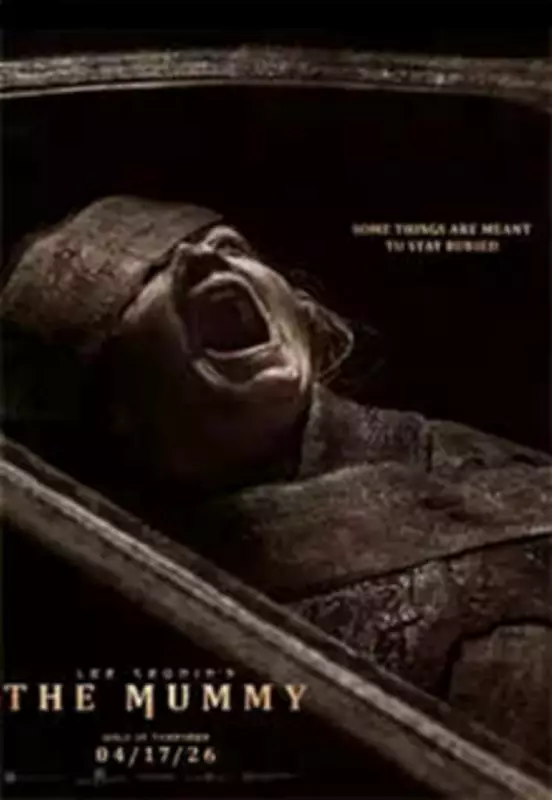
Lee Cronin's The Mummy Review: A Disappointing Reinvention of a Classic
Lee Cronin's The Mummy, released on April 17, 2026, takes a bold departure from the familiar adventure-horror template, opting instead for a grim, unsettling narrative. However, this reinvention struggles to find its footing, leaning heavily on shock value rather than substantive storytelling.
A Story of Unsettling Return
The plot centers on an American family living in Cairo. Charlie (Jack Reynor), a broadcast correspondent, and his wife Larissa (Laia Costa), a nurse, face every parent's nightmare when their daughter Katie is kidnapped by a mysterious magician. After relocating to the United States in a bid to move forward, they receive a call eight years later from Cairo detective Dalia (May Calamawy) informing them that Katie has been found alive.
What should be a joyous reunion quickly sours. The returned Katie (played by Natalie Grace and Emily Mitchell) is distant and unfamiliar, a mere shell of the child they lost. It becomes chillingly apparent that she has been transformed into a vessel for a malevolent force. As bizarre and terrifying events begin to shadow her, Charlie is forced to confront a horrifying possibility: the girl in his home may not be his daughter at all.

Critique: Style Over Substance
The film's most significant flaw is its underdeveloped script. Instead of building a slow-burn, psychological dread, the narrative jumps erratically from one gruesome visual to the next, relying on graphic content to elicit a reaction. This approach quickly becomes predictable and fails to generate the sustained tension essential for effective horror.
Emotional depth is conspicuously absent. Key moments that could have explored the family's trauma or the psychological horror of their situation are glossed over. The film mistakenly equates loud, bloody scenes with impactful storytelling, resulting in a horror experience that feels superficial and, at times, amateurish.
Performances Shine Despite Weak Material
The cast delivers commendable performances, working hard against the limitations of the material. Natalie Grace fully commits to the role of the possessed Katie, delivering genuinely unsettling moments in the film's quieter scenes. Jack Reynor effectively portrays Charlie's growing desperation, though the script provides him with little foundation to build a more nuanced character. Laia Costa brings a grounded, emotional weight to the role of the grieving mother, Larissa.
Supporting roles, such as Mark Mitchinson's Professor Bixler, serve primarily as exposition devices and feel underdeveloped, highlighting the film's narrative shortcomings.
Final Verdict: A Missed Opportunity
Lee Cronin's The Mummy had the potential to be a compelling, personal horror story but is ultimately undone by its execution. The overemphasis on disturbing imagery and gore comes at the expense of coherent plot and character development. The film tries desperately to leave a mark but fades from memory quickly, leaving behind a lingering sense of frustration rather than fear.
It is not a complete failure—there are flashes of effective atmosphere and strong acting—but it never coalesces into the bold reinvention it aspires to be. Viewers are likely to remember only disjointed, bloody bits rather than a cohesive, terrifying whole.