Heartbreak changes people quietly. At first, there is usually disbelief. Then endless overthinking. People replay conversations in their minds, analyse old messages, revisit memories they probably should stop revisiting, and wonder whether things could have ended differently. Even ordinary places begin feeling strange after emotional disappointment enters the picture.
Why the quote by Jane Austen still feels surprisingly modern
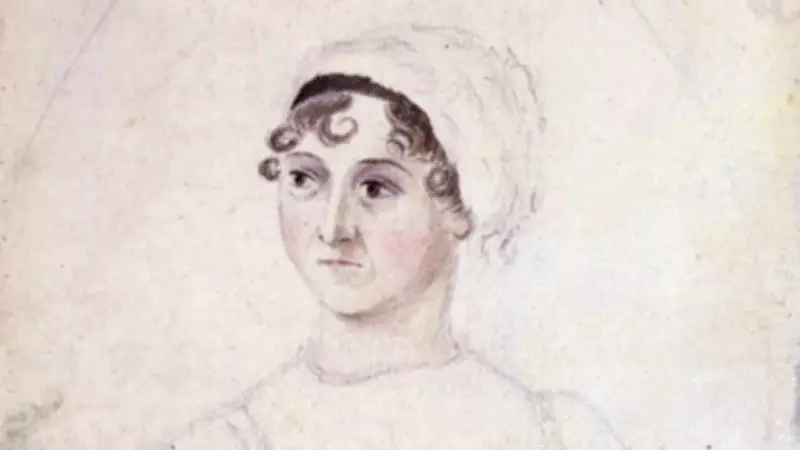
That emotional confusion is probably why this quote by Jane Austen still feels deeply relatable more than two centuries later. 'Friendship is certainly the finest balm for the pangs of disappointed love.' The sentence sounds elegant in the way Austen's writing often does. Calm. Controlled. Yet underneath the softness sits something emotionally honest. Austen understood that romantic disappointment can leave people emotionally bruised in ways difficult to explain properly. She also understood something equally important: friendship often becomes the thing that slowly helps people survive it. Not dramatic advice. Not grand speeches. Just friendship.
That idea still resonates strongly today because heartbreak may change across generations technologically, but emotionally it remains remarkably similar. People still experience rejection, failed relationships, emotional distance, and painful endings. And during those periods, friends often become the people holding everything together quietly in the background.

What does Austen mean by 'the finest balm'?
The word 'balm' matters enormously in this quote. A balm does not instantly erase pain. It soothes it slowly. That distinction feels important because heartbreak rarely disappears overnight, no matter how badly people want quick emotional closure. Austen seems to understand healing as gradual rather than dramatic. Friendship may not completely remove romantic disappointment immediately, but it softens loneliness. Friends distract people during difficult days. They listen repeatedly to the same emotional confusion without always judging. Sometimes they simply remain present while somebody slowly recovers emotionally. That support matters more than many people realise at first. Interestingly, Austen does not present friendship as secondary or lesser compared to romantic love. The quote almost elevates friendship emotionally by describing it as the thing capable of healing damaged hearts afterwards. That perspective still feels refreshing now.
Why heartbreak often pushes people back toward friendship
After painful breakups, many people rediscover friendships they unintentionally neglected during relationships. That pattern happens constantly. Someone spends months emotionally focused on romance, then suddenly finds themselves sitting late at night talking honestly with old friends again after the relationship ends. Those conversations may feel unexpectedly comforting because friendship usually carries different emotional expectations compared to romance. There is less performance involved. Less pressure. Friendships often allow people to exist more honestly during emotional collapse. Friends see messy emotions directly. They witness grief, frustration, confusion, and vulnerability without necessarily expecting polished emotional control in return. Austen's quote recognises that quietly. Sometimes friendship becomes emotionally healing precisely because it feels steadier than romantic passion during unstable periods.
Why modern audiences still connect with emotional quotes like this
The internet changed how people discuss heartbreak publicly. Older generations often handled romantic disappointment more privately. Today emotions become visible online almost instantly. Breakup playlists trend globally. Sad quotes circulate endlessly across social media. People publicly discuss attachment styles, emotional unavailability, healing journeys, and relationship anxiety with complete strangers online every day. At times it becomes overwhelming. That emotional openness may explain why older literary quotes suddenly feel relevant again. Austen's line cuts through modern dating language entirely. It says something emotionally timeless without sounding clinical or performative. Heartbreak hurts. Friendship helps. Simple truths survive because people continue experiencing them generation after generation.

Austen also understood the limits of romantic love
One reason Jane Austen's writing still feels emotionally intelligent is because she rarely idealised romance completely. Yes, her novels contain love stories. They also contain misunderstandings, disappointment, ego, pride, emotional blindness, and social pressure. Austen understood that romantic love could create emotional pain just as easily as emotional happiness. That realism appears inside this quote, too. 'Disappointed love' sounds heartbreakingly specific. Austen is not discussing dramatic tragedy here. She seems more interested in ordinary emotional disappointment, affection that failed, hopes that collapsed, feelings that were not returned fully. Most adults eventually understand that kind of sadness personally. And often, friendship becomes the thing carrying people through it.
Why friendship sometimes heals more gently than romance
Romantic relationships can feel emotionally intense because they involve expectation constantly. People expect emotional closeness, commitment, reassurance, attention, and future plans. When those expectations collapse, emotional fallout often feels overwhelming. Friendship operates differently. Good friendships usually develop through consistency rather than intensity. Shared conversations. Familiarity. Loyalty over time. Small acts of care repeated quietly for years. During painful periods, that emotional steadiness becomes incredibly valuable. Friends remind people who they were before heartbreak happened. That grounding effect may be what Austen means by 'balm.' Not a dramatic rescue. Gentle emotional repair.
The quote quietly values emotional companionship
Another reason this line feels timeless is that it recognises that companionship matters deeply during suffering. Human beings rarely heal emotionally in complete isolation. Even individuals who prefer privacy usually need emotional connection eventually after disappointment or grief. Friends provide perspective, humour, distraction, honesty, and comfort in ways romantic partners sometimes cannot. And unlike romantic attraction, friendship often survives changing circumstances more easily. Austen appears to appreciate that emotional durability. The quote almost suggests friendship deserves more cultural appreciation than it often receives. Romantic relationships usually dominate stories, films, songs, and public attention. Friendships quietly support people behind the scenes without receiving the same dramatic recognition. Yet during heartbreak, friendship frequently becomes the emotional foundation preventing loneliness from completely taking over.
Other famous quotes by Jane Austen
- 'There is no charm equal to tenderness of heart.'
- 'Think only of the past as its remembrance gives you pleasure.'
- 'I declare after all there is no enjoyment like reading!'
- 'Selfishness must always be forgiven you know, because there is no hope of a cure.'
- 'One half of the world cannot understand the pleasures of the other.'
- 'Life seems but a quick succession of busy nothings.'
Why this quote continues touching readers centuries later
Some literary quotes disappear because they belong too strongly to their historical period. Austen's words remain emotionally alive because heartbreak and friendship continue shaping human life exactly as they always have. People still fall in love hopefully. They still experience disappointment. And after emotional pain arrives, they still search for comfort from people who genuinely care about them. That emotional cycle has not changed much despite modern technology, dating apps, or social media. Perhaps that is why this quote continues circulating online today. Austen understood something many people eventually learn through experience: romantic love may break hearts, but friendship often helps rebuild them slowly afterward. Not perfectly. Not instantly. But gently enough for people to keep moving forward.