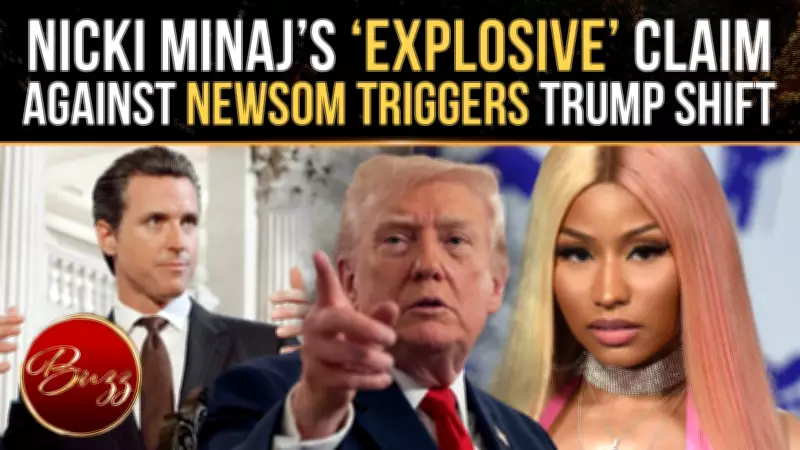
Hip-hop star Nicki Minaj has ignited a major political discussion after alleging that California Governor Gavin Newsom failed to respond to her repeated requests for help following multiple swatting incidents at her Beverly Hills mansion. In a recent interview with TIME, she revealed that the experience, combined with growing safety concerns and public backlash, gradually pushed her toward publicly supporting Donald Trump in late 2025.
Swatting Trauma and Political Shift
Minaj described the swatting incidents as deeply traumatic, stating that she reached out to Newsom's office multiple times but received no response. She noted that the lack of support from state authorities made her feel abandoned. The situation changed when she was introduced to federal assistance through Republican Representative Anna Paulina Luna of Florida. Minaj said Luna's office provided her with guidance on security measures and connected her with federal resources, which fundamentally altered her perspective on political support and security response.
Impact on Political Views
The rapper explained that the contrast between the silence from California's Democratic leadership and the proactive help from a Republican congresswoman influenced her decision to endorse Trump. She cited rising concerns over safety, public backlash against her controversial statements, and a sense that only certain political figures were willing to address her security needs. Minaj's comments have reignited debate online about celebrity involvement in politics, the seriousness of swatting threats, and the growing divide between Hollywood and U.S. political figures.

Reactions and Implications
Political analysts suggest that Minaj's shift reflects broader trends of celebrities reevaluating their political affiliations based on personal experiences. Critics argue that her endorsement could influence her fan base, while supporters commend her for speaking out about swatting, a dangerous prank that has led to fatalities. The incident underscores the challenges public figures face in seeking protection and the potential for such experiences to reshape political alliances.