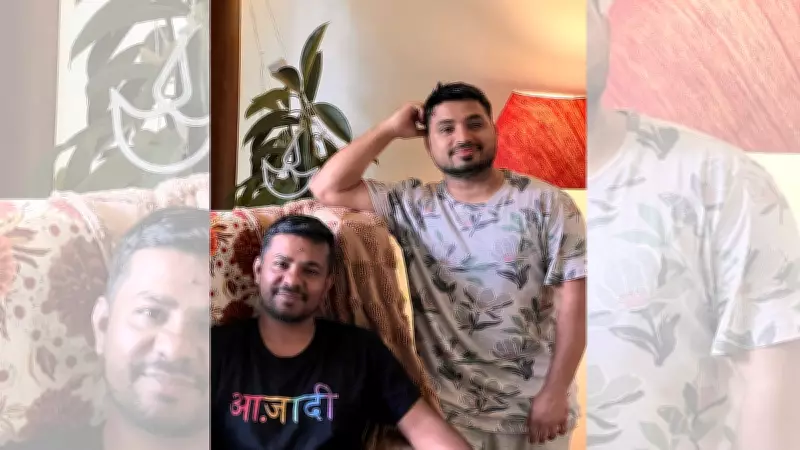
Nikita Prakash, known as Nick, and Sayantika Majumder have been living together in Bengaluru for over five years. Despite their long-term relationship, they remain cautious around their neighbours, carefully concealing the true nature of their bond. The couple’s experience highlights the ongoing challenges faced by queer individuals in urban India, even in a cosmopolitan city like Bengaluru.
Living in the Shadows
Nick and Sayantika met through mutual friends and quickly formed a deep connection. They decided to move in together, but from the start, they felt the need to hide their relationship. “We tell our neighbours that we are roommates or cousins,” Nick said. “We never hold hands or show affection outside our home.” The fear of discrimination and social ostracism forces them to tiptoe around their own lives.
The couple’s story is not unique. Many LGBTQ+ individuals in India face similar pressures, despite the decriminalization of homosexuality in 2018. Social acceptance remains elusive, and many queer couples choose to remain closeted to avoid harassment.

Navigating Daily Life
Everyday activities, such as grocery shopping or attending community events, require careful planning. Sayantika explained, “We have separate friend groups and often attend events alone to avoid questions.” The couple has developed a system of signals and excuses to maintain their cover. They rarely invite people over, and when they do, they remove any personal items that might reveal their relationship.
Workplaces also pose challenges. Both women are professionals, but they have not come out to their colleagues. “We are afraid it might affect our careers,” Nick said. According to a 2023 survey by the Pride Circle, 43% of LGBTQ+ employees in India hide their identity at work due to fear of bias.
Finding Safe Spaces
Despite the difficulties, Nick and Sayantika have found solace in Bengaluru’s queer community. They attend private meetups and events organized by LGBTQ+ groups. “These spaces allow us to be ourselves without fear,” Sayantika said. The city has a growing network of queer-friendly venues, but many remain discreet to avoid backlash.
The couple hopes for a future where they can live openly. “We dream of a day when we don’t have to hide,” Nick said. “We want to be able to introduce each other as partners without hesitation.”
Broader Implications
Their story reflects the broader struggle for queer acceptance in India. While legal protections have improved, societal attitudes lag behind. Advocacy groups continue to push for greater awareness and inclusion. The couple’s resilience, however, offers a message of hope. “Love is love,” Sayantika said. “We just want to be treated like everyone else.”