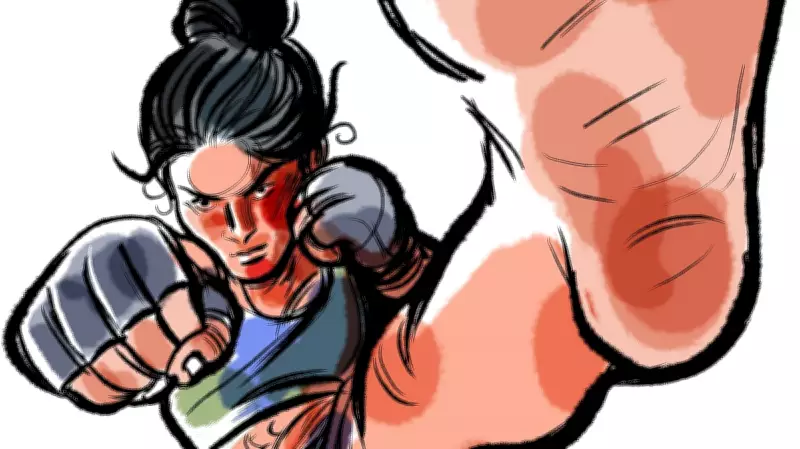
Indian women mixed martial arts (MMA) fighters are confronting patriarchal norms both inside and outside the cage, according to a report by Puja Goyal published on July 5, 2026. Beyond questions of authority and respect, these athletes face intense social pressure regarding their bodies, which are often scrutinized and policed by a conservative society.
Breaking Stereotypes in Combat Sports
Women entering MMA in India challenge deep-seated gender roles that associate combat sports with masculinity. Fighters report facing resistance from families and communities who question their place in a violent sport. Yet, their participation is slowly reshaping perceptions, with many becoming role models for younger girls.
According to the article, the physical demands of MMA require rigorous training and a muscular physique, which often clashes with traditional ideals of femininity. Fighters must navigate criticism about their appearance while proving their skills in the cage.

The Body as a Battleground
The report highlights that body image is a major issue for Indian women MMA fighters. They are often told to look more "feminine" or to hide their muscles, reflecting societal discomfort with strong female bodies. One fighter, speaking anonymously, said: "People think we are aggressive or unfeminine because we train hard. But this is our passion, and we refuse to apologize for our bodies."
Additionally, fighters face questions about authority and respect, both from male peers and officials. Many report being taken less seriously or having their skills doubted until they prove themselves in competition.
Impact and Progress
Despite these challenges, the number of women in Indian MMA is growing. The article notes that more training academies are opening to female athletes, and some have gained international recognition. However, systemic support remains limited, with fewer sponsorships and media coverage compared to male fighters.
The fight against patriarchy extends beyond the cage, as these women advocate for equal opportunities and respect. Their journey is not just about winning matches but about redefining what is possible for women in India.