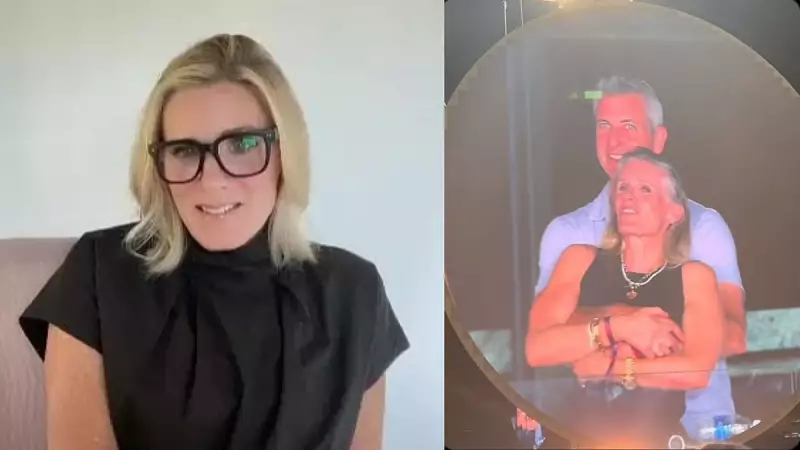
A video from Coldplay's recent concert in Mumbai has sparked an unexpected online debate, not about the music, but about privacy and public perception. The clip, featuring a former senior scientist from the Indian Space Research Organisation (ISRO), went viral after he was caught on the "Kiss Cam" and his reaction to the subsequent attention has taken the story in a new direction.
The Viral Moment at Coldplay's Mumbai Concert
During Coldplay's electrifying performance at Mumbai's Mahalaxmi Race Course on Friday, November 15, the band's signature "Kiss Cam" segment zeroed in on a couple in the audience. The camera captured former ISRO scientist T. P. Sastry sitting next to a woman. As the crowd cheered, the pair shared a brief kiss on the cheek. This fleeting moment was recorded by fellow concert-goers and quickly spread across social media platforms like wildfire.
The video gained immense traction because Sastry was recognized by many due to his distinguished career at India's premier space agency. The seemingly private moment between two individuals at a public event suddenly became a topic of widespread public discussion and speculation.

"It's Nobody's Business": Sastry's Candid Retort
In response to the viral frenzy, T. P. Sastry, who served as the Deputy Director of the ISRO Satellite Centre, offered a remarkably forthright statement. He addressed the speculation head-on, dismissing the public's undue interest in his personal life.
"Even if I had an affair, it's nobody's business," Sastry was quoted as saying. He emphasized that his personal life is his own and should not be subject to public scrutiny or judgment. His reaction highlights a growing tension between the curiosity fueled by social media and an individual's right to privacy, even when that individual is a former public servant.
By framing his response this way, Sastry shifted the conversation from the specifics of the video to a broader principle. He challenged the notion that being a former scientist in a prestigious organization makes every aspect of his life open for public consumption.
Public Reaction and the Privacy Debate
The incident has ignited a lively debate online. Opinions are sharply divided:
- Support for Privacy: Many users have rallied behind Sastry, applauding his stance. They argue that the constant surveillance and judgment culture enabled by smartphones and social media are invasive, and that individuals deserve to enjoy personal moments without fear of them becoming national news.
- Criticism and Scrutiny: Others have questioned the appropriateness of the moment, given his former high-profile position. This side of the debate often ties personal conduct to public image, a standard frequently applied to figures in positions of trust or authority.
- The Concert Context: Some commentators have pointed out the inherent risk of attending a massive concert where "Kiss Cam" segments are a well-known and light-hearted tradition. The segment is designed to create shareable, fun moments, but this case shows how it can backfire when the subjects are unwilling participants in viral fame.
The core issue this event raises is about the boundaries of privacy in the digital age. When does a person's past professional role cease to justify public interest in their private acts? Sastry's defiant response is a clear marker that he believes that line was crossed.
The Coldplay concert, part of the band's "Music of the Spheres" world tour, was intended to be a night of musical celebration for thousands of fans. Instead, for one attendee, it became an unintended plunge into the harsh spotlight of viral fame, prompting a robust defense of personal space and dignity. The episode serves as a modern cautionary tale about the unpredictable and often intrusive nature of internet fame.