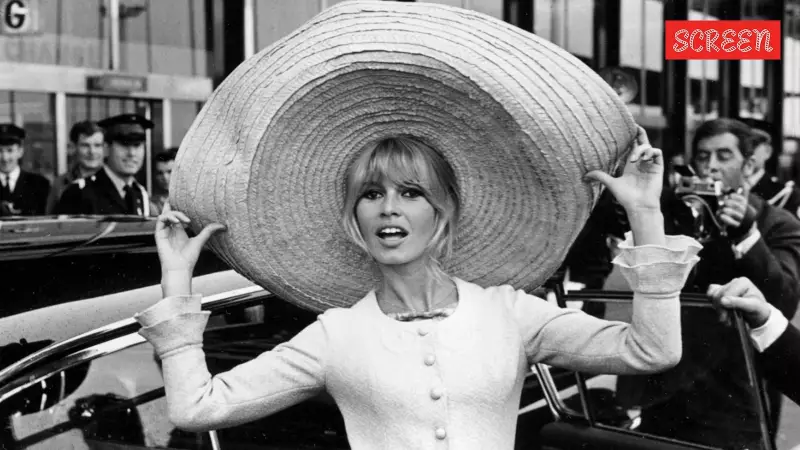
The world of cinema and animal rights activism has lost one of its most iconic and controversial figures. Brigitte Bardot, the French actress who rose to global fame as a 1960s sex symbol and later became a militant advocate for animals, died on Sunday at her home in southern France. She was 91 years old.
From Screen Siren to National Emblem
Brigitte Bardot's journey to stardom began with the 1956 film And God Created Woman, directed by her then-husband Roger Vadim. The movie, featuring her as a sensual teen bride, caused an international scandal and catapulted her to celebrity status. Over a career spanning roughly 28 films, Bardot's tousled blonde hair, pouty lips, and uninhibited persona came to symbolize a new, liberated France breaking free from post-war conservatism.
Her influence was so profound that in 1969, her features were chosen as the model for Marianne, the national emblem of the French Republic. Her face graced statues, stamps, and coins across the nation. However, Bardot herself often felt her talent was overshadowed by her physical appeal, once remarking about her early work, "It's an embarrassment to have acted so badly."

A Second Act: The Militant Animal Rights Warrior
In a dramatic reinvention, Bardot retired from acting at the age of 39 in 1973. She emerged a decade later as a fierce and uncompromising animal rights activist. She sold her jewelry and movie memorabilia to establish the Brigitte Bardot Foundation, dedicating her life and fortune to preventing animal cruelty.
Her activism was global and relentless. She traveled to the Arctic to protest the seal pup hunt, condemned laboratory testing on animals, and campaigned against traditions like the Palio horse race. In 1985, her efforts earned her France's highest honour, the Legion of Honor. She famously stated, "I don't care about my past glory. That means nothing in the face of an animal that suffers."
Controversy and Convictions
Bardot's later years were marred by controversy as her animal rights advocacy became entangled with far-right political views. Her marriage in 1992 to Bernard d'Ormale, an adviser to the National Front's Jean-Marie Le Pen, marked a political shift. She frequently decried immigration, particularly of Muslims, and was especially critical of religious animal slaughter practices.
This led to a dramatic fall from public grace. Bardot was convicted and fined five times between 1997 and 2008 by French courts for inciting racial hatred. Several towns removed statues of Marianne modelled after her following her anti-immigrant comments. In 2012, she sparked further outrage by publicly supporting Marine Le Pen's presidential bid.
Brigitte Bardot's life was a complex tapestry of unparalleled fame, profound personal reinvention, and polarizing controversy. She leaves behind a legacy as one of cinema's most enduring icons and one of animal welfare's most vocal, if contentious, champions. Bruno Jacquelin of the Brigitte Bardot Foundation confirmed her death but did not provide a cause. Funeral arrangements have not yet been announced.