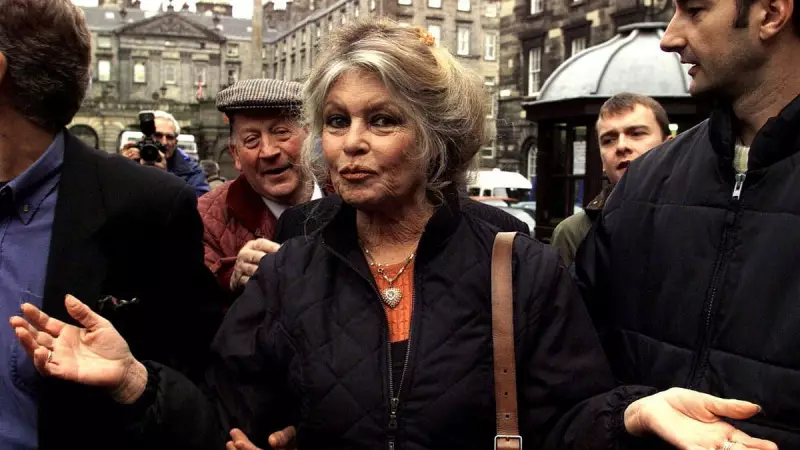
The world of cinema has lost one of its most enduring and iconic figures. Brigitte Bardot, the French actress who became a global symbol of beauty, sensuality, and cinematic revolution in the 1950s and 60s, has died at the age of 91. Her passing marks the end of an era for European film and popular culture.
From Ballerina to Global Sex Symbol
Born in Paris on September 28, 1934, Brigitte Anne-Marie Bardot was trained as a ballet dancer. Her path to stardom began when she was discovered by the magazine Elle as a teenage model. Her first foray into film was a minor role in the 1952 comedy Le Trou Normand (Crazy for Love). However, it was her marriage to renowned director Roger Vadim in 1952 that catapulted her into the cinematic spotlight.
Vadim crafted her star image and directed her in the film that would make her an international sensation: And God Created Woman (1956). The movie, set in the glamorous Saint-Tropez, was groundbreaking for its time. It showcased Bardot's uninhibited portrayal of a free-spirited young woman, challenging the conservative social norms of the era. The film was a massive commercial success, particularly in the United States, and cemented her status as a sex symbol and a new kind of female star.

An Unparalleled Cinematic Legacy
Throughout the late 1950s and 1960s, Bardot dominated European cinema. She worked with many of the great directors of the period, including Jean-Luc Godard in Contempt (1963) and Louis Malle. Her filmography includes notable titles like La Parisienne, Babette Goes to War, and The Truth. With her signature blonde bouffant hair, heavy eyeliner, and captivating on-screen presence, she embodied a specific, potent vision of French femininity that captivated audiences worldwide.
Her influence extended far beyond the silver screen. She became a fashion icon, popularizing styles like the bikini, gingham prints, and boat-neck tops. The "Bardot neckline" is still named after her. Her impact on popular culture was so profound that she inspired songs, artworks, and countless imitations. She officially retired from acting in 1973 at the age of 39, after starring in over 40 films.
A Second Act as a Fierce Animal Rights Advocate
Bardot's life took a dramatic turn after her retirement from cinema. She dedicated herself entirely to animal welfare, founding the Brigitte Bardot Foundation for the welfare and protection of animals in 1986. This second chapter of her life was often as controversial as her first. She became a vocal and sometimes combative activist, leading high-profile campaigns against seal hunting, bullfighting, and the slaughter of stray animals.
Her advocacy frequently brought her into conflict with authorities, resulting in multiple convictions for inciting racial hatred due to inflammatory statements in her writings. Despite the controversies, her commitment to her cause never wavered. She leveraged her immense fame to bring global attention to animal suffering, establishing a legacy defined by passion and conviction.
Brigitte Bardot's journey from a Parisian ballerina to a cinematic revolutionizer and finally to a relentless activist is a remarkable story of transformation. She lived life on her own terms, first by redefining female sexuality on film and later by fearlessly championing the voiceless. Her death closes the book on the life of a true original—a woman who was not just a star, but a cultural force whose influence resonated for decades. She is survived by her legacy in film, fashion, and the ongoing work of the foundation that bears her name.