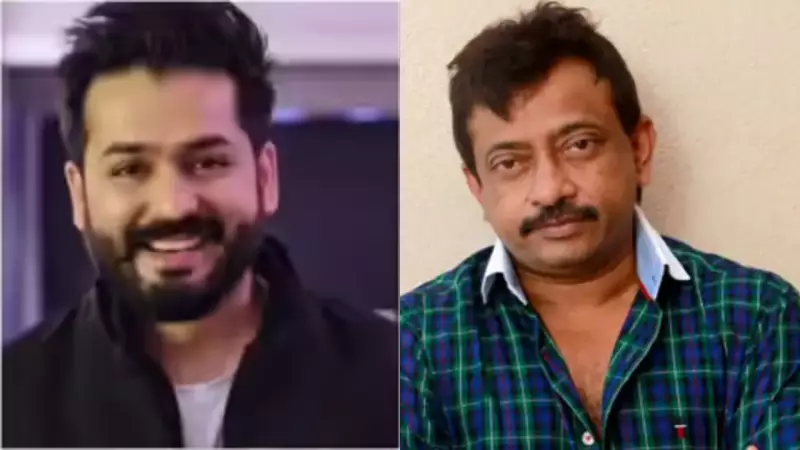
The cinematic landscape of India is witnessing a seismic shift, according to veteran filmmaker Ram Gopal Varma. His latest target of high praise is the recently released multi-starrer 'Dhurandhar', directed by Aditya Dhar and featuring an ensemble cast including Ranveer Singh, Akshaye Khanna, Sanjay Dutt, R. Madhavan, and Arjun Rampal. The film, which is already roaring at the box office and receiving audience applause, has been declared a monumental achievement by the maverick director.
RGV's Unprecedented Praise for Dhurandhar
Known for his own fearless and often impolite cinema, Ram Gopal Varma took to his official X (formerly Twitter) handle to share a powerful review. He did not hold back, stating that 'Dhurandhar' is not merely a film but a "Quantum Leap in Indian Cinema." He credited director Aditya Dhar for delivering a work that fundamentally reshapes the perception and functionality of mainstream cinema. According to RGV, the film doesn't politely request the viewer's attention; it commands it with undeniable force.
Elaborating on the film's craft, Varma dissected its technical and narrative prowess. "This is a film that refuses to be polite," he wrote. He applauded the intentional sharpness of the writing, the menacing atmosphere of the staging, and the strategic use of silence, which he described as being as weaponized as the thunderous sound effects. For Varma, Dhar demonstrates that true power in storytelling comes from relentless pressure building, not from volume.

"Every sequence feels compressed, like a spring being wound never knowing when it will snap. And when it does, the impact is not just brutal but it is also symphonically operatic," he added. The director of classics like 'Satya' emphasized that the scenes were constructed with this tense pressure rather than relying on mere noise.
A New Grammar for Mainstream Filmmaking
RGV reserved special acclaim for the film's technical departments, asserting that 'Dhurandhar' redraws the very grammar of mainstream Indian cinema. He described a sound design that doesn't just decorate scenes but actively stalks them. The camera work, in his view, doesn't passively observe but circles its subjects like a predator. Most strikingly, he praised the film's approach to action, calling it "perspectively justified and extremely ugly, the way real violence should feel," moving away from choreography designed solely for audience applause.
Aditya Dhar's Heartfelt Tribute to His Inspiration
The praise from a filmmaker he deeply admires prompted an emotional and personal response from Aditya Dhar. Replying to Varma's comment, Dhar shared that the words felt "unreal and deeply personal." He revealed a poignant chapter from his past, recalling how he arrived in Mumbai years ago with a single suitcase, a dream, and an "unreasonable belief" that he would one day work under Ram Gopal Varma.
While that direct collaboration never materialized, Dhar acknowledged a profound, indirect mentorship. "But somewhere along the way, without knowing it, I worked inside your cinema," he wrote. "Your films didn't teach me how to make movies — they taught me how to think dangerously." He credited RGV's filmography for making Indian cinema feel fearless, impolite, and alive, and cited it as a major influence on his own creative courage.
Dhar concluded his tribute by connecting his work directly to Varma's legacy: "If Dhurandhar has even a fraction of that DNA, it's because your films whispered (sometimes screamed) in my head while I was writing and directing it. If I've assumed the audience is intelligent, it's because you taught an entire generation that cinema should never apologize for its ambition." His message was one of profound gratitude for the validation from a director who shaped his cinematic sensibilities.
With such resounding endorsement from a respected industry disruptor and its strong box office performance, 'Dhurandhar' is firmly positioned as one of the most talked-about cinematic events of the season, potentially marking a new direction for storytelling in commercial Indian filmmaking.