Animation Sensation Faces Originality Questions
Months after its spectacular box office performance revived India's cinema industry, the animated blockbuster Mahavatar Narasimha finds itself embroiled in a serious controversy. The film, currently streaming online, is facing widespread allegations of plagiarizing scenes from popular international video games and Hollywood movies.
The animation masterpiece that blended Sanatan Dharma storytelling with cutting-edge VFX is now under intense scrutiny from fans and critics alike. What was once celebrated as a breakthrough for Indian animation is now being questioned for its originality.
God of War Comparison Goes Viral
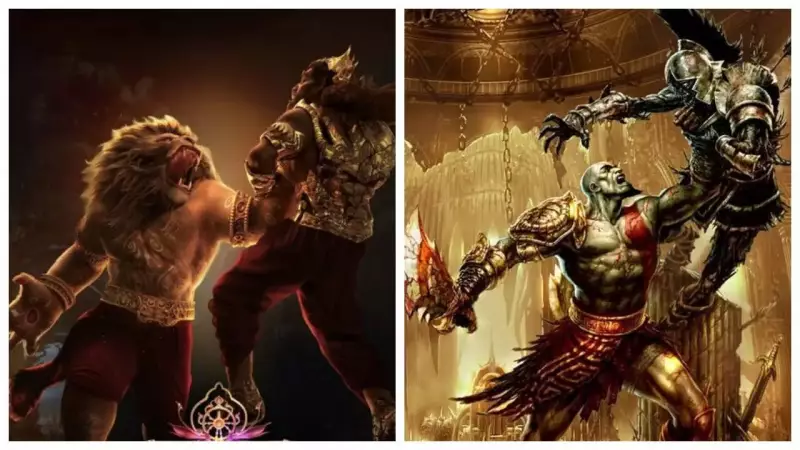
Social media platforms have been buzzing with viral videos that showcase striking similarities between one of Mahavatar Narasimha's major action sequences and an iconic fight scene from the 2018 video game God of War. The side-by-side comparisons have taken the internet by storm.

One particularly compelling video features the climactic battle between Narasimha and Hiranyakashipu playing simultaneously with the Kratos-versus-Baldur showdown from God of War. According to numerous netizens who have analyzed both sequences, the moves, timing, and camera angles appear nearly identical in both productions.
Many viewers expressed their disappointment, noting that the action choreography seemed like it was copy and pasted from the popular video game. Some even claimed that certain segments matched frame by frame, raising serious questions about the creative process behind the Indian animation project.
Not the First Similarity Detection
The God of War controversy isn't the first time Mahavatar Narasimha has faced plagiarism allegations. Earlier, another clip began circulating online that compared the film's climax to the final battle from The Incredible Hulk movie.
The side-by-side breakdown highlighted fight choreography that viewers described as uncannily similar to the Hulk scene. This discovery has added fuel to the ongoing debate about originality in the Indian animation industry.
These allegations are particularly significant given the film's monumental success. Made on a budget of Rs 15 crore, Mahavatar Narasimha became the most profitable Indian film of 2025, earning an impressive Rs 314 crore worldwide.
The film's revenue breakdown shows Rs 288 crore came from domestic box office collections, while overseas markets contributed Rs 26 crore. This financial success had initially positioned the film as a game-changer for Indian animation.
Industry Impact and Future Implications
The plagiarism controversy has sparked intense discussions about creativity and originality in Indian animation. Many industry experts are now questioning whether the film's technical achievements were compromised by unoriginal content.
Before these allegations surfaced, Mahavatar Narasimha was widely praised for pushing Indian animation to new heights. The film successfully blended traditional Sanatan Dharma storytelling with modern VFX technology, creating what many believed was a template for future Indian animated projects.
The timing of these revelations is particularly unfortunate as the film recently became available on streaming platforms, potentially reaching an even wider audience. The controversy threatens to overshadow the film's significant achievements and the hard work of the animation team.
As the debate continues to rage on social media platforms, the Indian animation industry faces crucial questions about intellectual property, creative inspiration, and the fine line between homage and plagiarism. The outcome of this controversy could have lasting implications for how future Indian animated projects are developed and received by global audiences.