GNDU Students' Viral Video Ignites Debate Over Diljit Dosanjh's 'Punjab '95' Film Delay
A recent viral video featuring students from Guru Nanak Dev University (GNDU) has thrust Diljit Dosanjh's upcoming film 'Punjab '95' into the spotlight, sparking a heated debate about the reasons behind its prolonged delay. The video, which has rapidly gained traction on social media platforms, shows the students questioning the film's postponement, with many expressing frustration and curiosity over the hold-up.
Context and Content of the Viral Video
The video, reportedly filmed on the GNDU campus in Amritsar, captures a group of students discussing the film 'Punjab '95' and its significance. In the clip, they highlight the film's focus on historical events from 1995 in Punjab, a period marked by political and social turmoil. The students are seen raising pointed questions about why the release has been delayed, suggesting that it might be due to sensitivities surrounding the subject matter or potential production hurdles.
Their concerns have resonated widely, with the video amassing thousands of views and shares online. This has led to a broader public discourse, with fans and critics alike weighing in on the issue. Many are speculating that the delay could be linked to censorship pressures or the need for additional approvals given the film's historical context.

Background on 'Punjab '95' and Its Production
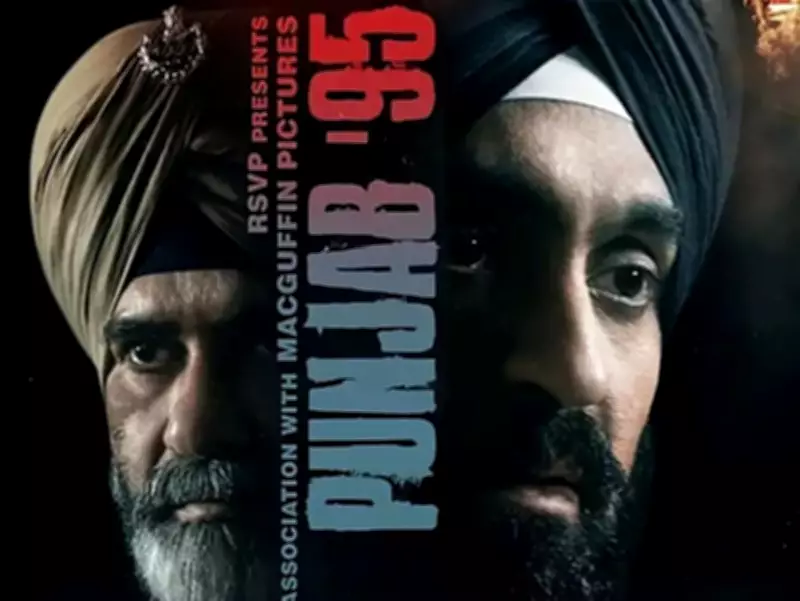
'Punjab '95' is a highly anticipated film starring Diljit Dosanjh, a renowned Punjabi singer and actor. The movie is said to delve into the events of 1995 in Punjab, a year that holds deep historical importance due to its association with various political and social movements. The film aims to shed light on this era, potentially exploring themes of identity, conflict, and resilience.
Production for 'Punjab '95' was announced some time ago, but details about its release date have remained vague, fueling speculation. Industry insiders suggest that such projects often face delays due to extensive research requirements, script revisions, or logistical challenges in filming sensitive historical narratives.
Public and Industry Reactions to the Debate
The viral video has prompted a wave of reactions from the public and entertainment industry figures. On social media, many users have echoed the students' questions, calling for transparency from the filmmakers regarding the delay. Some have expressed concern that the film might be toned down or altered to avoid controversy, while others defend the need for careful handling of such topics.
In response, representatives from the film's production team have yet to issue an official statement, but sources close to the project indicate that the delay is primarily due to creative refinements and post-production work. They emphasize that the team is committed to delivering an authentic and respectful portrayal of the historical events, which requires additional time.
Implications for Future Projects and Public Discourse
This incident highlights the growing influence of social media in shaping public discourse around entertainment and historical narratives. The GNDU students' video demonstrates how youth engagement can drive conversations about cultural and political issues, putting pressure on creators to address public concerns.
Moreover, the debate over 'Punjab '95' underscores the challenges filmmakers face when tackling sensitive historical subjects. It raises questions about artistic freedom, censorship, and the responsibility of portraying real events in cinema. As the discussion continues, it may influence how similar projects are approached in the future, potentially leading to more open dialogue between creators and audiences.

In summary, the viral video from GNDU students has not only questioned the delay of Diljit Dosanjh's 'Punjab '95' but also ignited a broader debate on historical representation in film. With the public eagerly awaiting updates, this situation serves as a reminder of the power of digital media to hold cultural productions accountable and foster meaningful conversations.