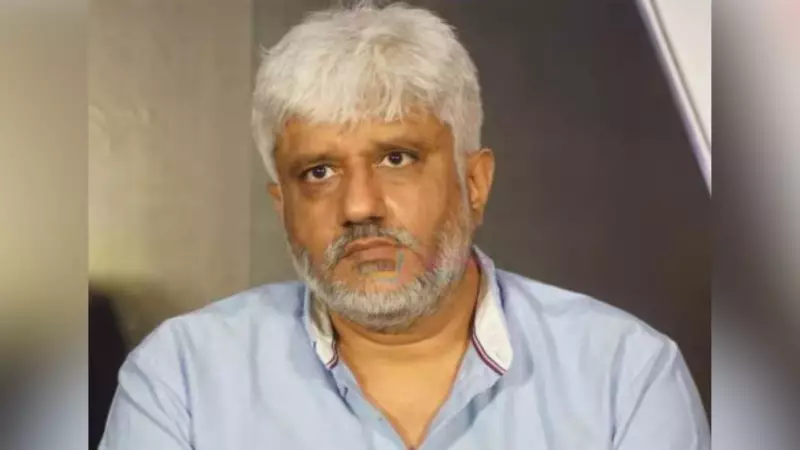
The glittering world of Bollywood has collided with the serious business of fertility treatment in a staggering legal case that has landed filmmaker Vikram Bhatt and his wife Shwetambari behind bars for over a month. At the heart of this alleged Rs 44.70 crore fraud is an unlikely complainant: Dr Ajay Murdia, the 73-year-old founder of India's giant fertility chain, Indira IVF and Fertility Centre.
From IVF Pioneer to Aspiring Film Producer
The story begins not on a film set, but in a medical college. Dr Ajay Murdia left a stable government job as a pathologist at Rabindranath Tagore Medical College in 1988 to start Indira IVF, named after his psychologist wife, Indira, who was his pillar of support. Despite scepticism from family and colleagues, he built an empire from a single clinic in Udaipur to over 170 centres nationwide.
After his wife passed away from cancer in 2020, Murdia, according to sources close to him, conceived the idea of a film to honour her and their work in helping childless couples. Fellow Udaipur resident Dinesh Kataria, who had film industry contacts, persuaded Murdia to proceed and introduced him to Bollywood director Vikram Bhatt, known for films like Raaz.

The Four-Film Deal That Went Sour
According to Murdia's lawyer, Manzoor Hussain, a meeting was arranged in Mumbai in March 2024. Bhatt reportedly suggested making not just the biopic on Murdia's life and work, but also a film on Bhagwan Shrinathji of Nathdwara, Udaipur. Murdia, who professed no knowledge of the film business, agreed to invest. Kataria acted as the mediator.
The initial agreement was for Rs 15 crore for the biopic and Rs 25 crore for the religious film. Bhatt later visited Udaipur and convinced Murdia to invest an additional Rs 7 crore for two more films, claiming a studio would handle all four projects together, though scripts for the additional two were not finalised.
An equal partnership firm, Indira Entertainment, was formed in Udaipur between Shwetambari and Murdia. The process was that Bhatt would send expense receipts, Kataria would verify them, and Murdia would make the payments. Hussain alleges that fake bills and vouchers were generated, leading to a total payout of Rs 44.27 crore.
Flop Films and a Fraud FIR
Ultimately, only two films materialised: the biopic Tumko Meri Kasam, made for Rs 15 crore and featuring actors like Anupam Kher and Esha Deol, and a second film with a Rs 3 crore budget. Released on March 26, 2025, the biopic reportedly had minimal promotion and tanked at the box office. The combined collection for both films was a meagre Rs 65 lakh.
With Bhatt allegedly dodging queries about the other two promised films, Dr Murdia filed an FIR at Bhupalpura Police Station in Udaipur on November 8, 2025. Bhatt, Shwetambari, Kataria, and Bhatt's manager Mehboob Ansari were arrested from Mumbai on December 7 and brought to Udaipur, where they remain in jail.
The Legal Battle: Breach of Contract or Criminal Fraud?
The legal arguments present two starkly different narratives. Bhatt's lawyer, Kamlesh Dave, calls it a misunderstanding and a commercial dispute. He states that two movies were made as agreed, but they flopped, preventing the planned reinvestment into subsequent films. He denies allegations of fake bills and suggests Murdia's influence in Rajasthan led to the arrests.
However, the Rajasthan High Court, on January 5, 2026, rejected the accused's petition to quash the FIR. Justice Sameer Jain noted the investigation was being conducted fairly and held that the case involved "deliberate diversion and misappropriation of funds," moving beyond a mere breach of contract. The court refused to transfer the case to Mumbai, allowing the police investigation in Rajasthan to continue.
This case highlights a cautionary tale of big dreams, big money, and the high risks of the film business, entangling a celebrated filmmaker and a respected medical entrepreneur in a complex web of allegations that only the courts can now untangle.