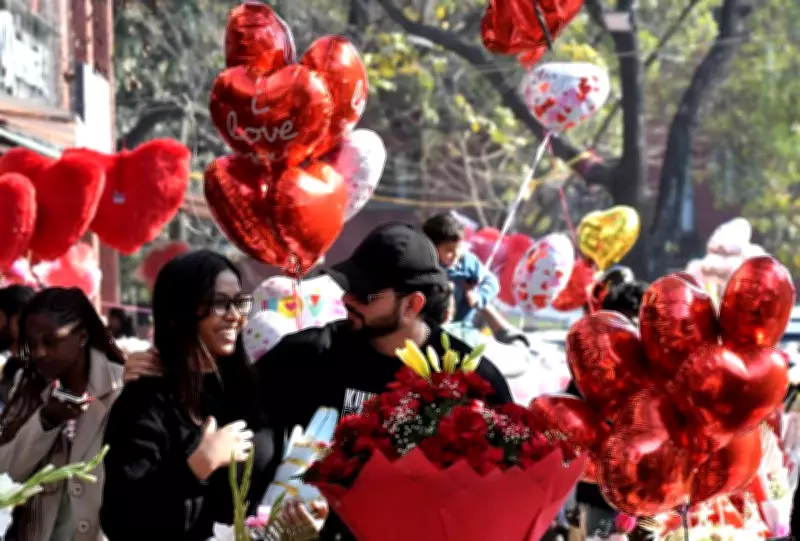
Valentine's Day Dilemma: Couples Navigate Cupid's Checkpoints in India
As Valentine's Day unfolds across India, couples find themselves caught in a delicate balancing act between expressing their love and adhering to societal expectations. This annual celebration of romance has become a focal point for cultural tensions, with many young lovers navigating what some describe as "Cupid's checkpoints"—informal barriers set by community groups or family pressures that aim to regulate public displays of affection.
The Romantic Rush and Societal Scrutiny
In cities and towns nationwide, the day typically sees a surge in romantic activities, from candlelit dinners to gift exchanges. However, this year, reports indicate an increased presence of vigilante groups in certain regions, monitoring public spaces like parks and restaurants. These groups often justify their actions as efforts to uphold traditional values, leading to confrontations that can dampen the festive spirit for many couples.
For instance, in some areas, couples have reported being questioned or harassed for simply holding hands or sharing a quiet moment together. This has sparked concerns about personal freedom and the right to celebrate love without interference. Social media platforms are abuzz with stories of individuals who altered their plans to avoid such encounters, opting for more private or discreet celebrations instead.

Cultural Clashes and Changing Norms
The phenomenon highlights a broader cultural clash in India, where Western-inspired celebrations like Valentine's Day intersect with conservative social mores. While urban centers often embrace the day with commercial fervor, featuring special promotions and events, rural and semi-urban areas may witness more resistance. This divide underscores the evolving nature of romance in a rapidly modernizing society.
Experts note that these checkpoints are not always formal or organized; they can stem from familial disapproval or peer pressure, making them harder to predict or avoid. Many couples, especially younger ones, feel torn between their desire to celebrate and the fear of backlash, leading to a muted or anxious Valentine's Day experience.
Impact on Public Sentiment and Future Trends
The ongoing tension has prompted discussions on social media and in public forums about the balance between tradition and personal expression. Some argue that love should be celebrated freely, while others call for respect towards local customs. This debate is likely to influence how Valentine's Day is observed in the coming years, with potential shifts towards more inclusive or low-key celebrations.
In response, several organizations and activists have advocated for greater awareness and tolerance, emphasizing that love transcends cultural boundaries. As India continues to globalize, the way its citizens navigate such checkpoints may serve as a barometer for social change, reflecting broader shifts in attitudes towards romance and individuality.