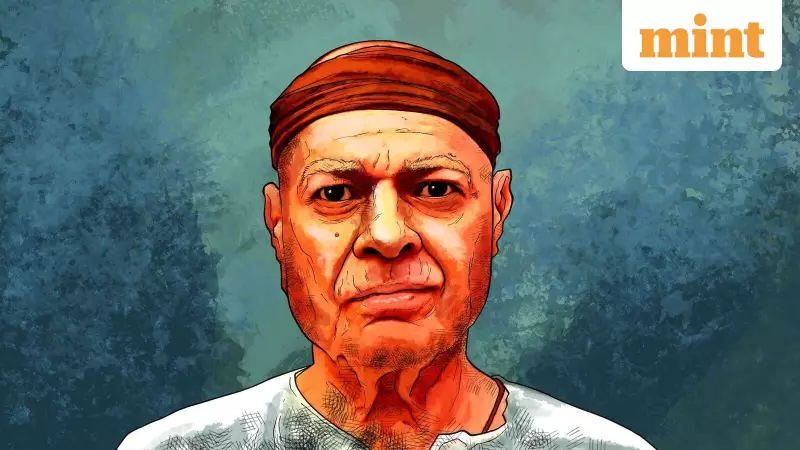
In the heart of Mumbai's shadow economy, one man orchestrated a clandestine empire that thrived on hope and greed. Ratan Khatri, known as the Matka King, built a sprawling, illegal betting syndicate that generated millions, leaving a trail of ruined lives in its wake. His story is a fascinating chapter in India's urban history, marking the rise and fall of a unique form of gambling.
From Refugee to Kingpin: The Making of a Syndicate
Born around 1932 in Karachi, Ratan Khatri's life was uprooted by the Partition. He migrated to Bombay, now Mumbai, a city teeming with textile mills and vulnerable migrants seeking a new start. His family's background in betting on cotton-price fluctuations sparked his early interest in numbers and chance.
Initially, matka was a humble numbers game tied to the opening and closing rates of cotton from the New York Cotton Exchange. However, when these transmissions stopped in 1961, a vacuum was created. Kalyanji Bhagat stepped in with Worli Matka, and Khatri began his career working for him.

Around 1964, Khatri seized his opportunity. He broke away and established Ratan Matka, also known as Main Bazaar or New Worli Matka. His innovation was crucial: he replaced unpredictable commodity numbers with playing cards. Every evening at 9 PM, and again at midnight, a man in a crisp white kurta would shuffle a fresh deck and draw three cards with theatrical precision. This system offered a perceived fairness and transparency, fueling the game's explosive growth.
The Peak of an Illegal Empire
Under Khatri's shrewd leadership, the matka racket transformed into a massive illicit enterprise. By the 1970s, its daily turnover was reportedly as high as ₹1 crore, a colossal sum of untaxed wealth for that era. His clientele was remarkably diverse, reflecting a cross-section of Mumbai society.
Destitute mill workers would gamble their meager weekly wages, dreaming of a windfall. Alongside them were wealthy businessmen, Bollywood celebrities, and even powerful politicians, all discreetly funneling large sums into the betting pool. The drawn numbers would ripple out from Mumbai's chawls to the bazaars of Gujarat and to international wagering halls in London, Dubai, and Tehran.
The Inevitable Decline and a Quiet End
Power in the underworld is fragile. During the Emergency (1975-1977), Khatri was arrested and spent 19 months in jail. His release marked the beginning of the end for his empire. He briefly flirted with Bollywood, financing and appearing in the 1976 film Rangila Ratan starring Rishi Kapoor and Parveen Babi, but it offered no real salvation for his business.
The 1990s brought intense police crackdowns, forcing bookies to relocate to states like Gujarat and Rajasthan. The matka landscape shrank drastically from over 2,000 big and medium bookies, as punters migrated to illegal lotteries, horse racing, and state-sanctioned lotteries. Khatri eventually gave up the game, though he was known to place small bets at Mumbai's Mahalaxmi racecourse.
Ratan Khatri passed away at 88 from a cardiac arrest in his Tardeo apartment in May 2020. His death was a historical footnote, a quiet end for the man who was once the undisputed king of Mumbai's gambling netherworld. The Matka King became just another forgotten number in the city's long ledger of crime, his empire a relic of a bygone era of illicit fortune.