Taapsee Pannu Speaks Out Against Bollywood's Unhealthy PR Practices
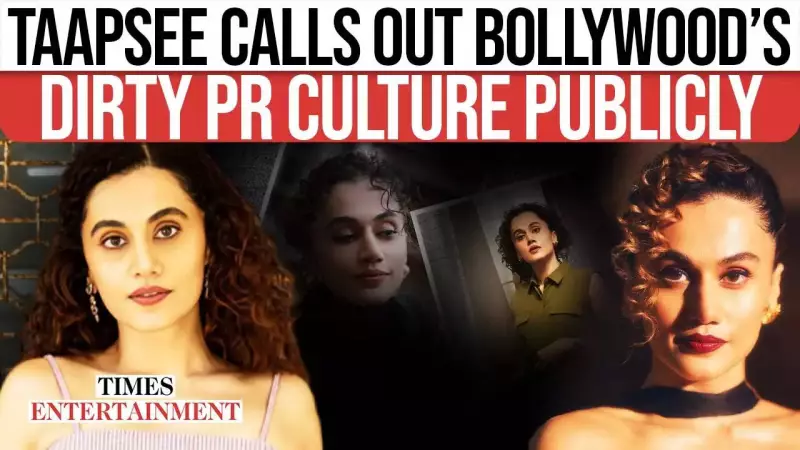
In a recent candid interview, Bollywood actor Taapsee Pannu has openly criticized the film industry's public relations strategies. She described the current PR game as aggressive and unhealthy. This toxic environment, according to Pannu, is actively harming real talent across Bollywood.
Fake Hype Versus Genuine Success
Taapsee Pannu made it clear that she does not oppose publicity in general. However, she emphasized a crucial distinction. Success in the film industry should stem from honest work and genuine merit. It should not rely on negativity-driven campaigns or artificially created hype.
"The culture of fake promotion and manufactured buzz is becoming a major problem," Pannu suggested. This approach, she argues, sidelines truly skilled artists and performers. It prioritizes visibility over actual talent and hard work.

Personal Impact and Career Choices
The actor revealed that this pervasive PR culture personally influenced her professional decisions. It contributed to her choice to slow down her work pace in recent years. Instead of chasing the artificial noise, Pannu decided to focus on self-growth and meaningful projects.
"I chose to step back from the relentless chase for headlines and focus on developing myself as an artist," she explained. This move reflects her commitment to authenticity over superficial industry trends.
A Broader Industry Issue
Taapsee Pannu's comments highlight a significant concern within Bollywood. The pressure to maintain constant media buzz often leads to aggressive and sometimes unethical PR tactics. These practices can create a distorted public perception of actors and films.
The industry's reliance on such methods may undermine long-term artistic integrity. It risks valuing popularity over genuine cinematic achievement. Pannu's stance calls for a more balanced and honest approach to promotion and talent recognition in Indian cinema.
Her remarks have sparked discussions about the need for change in how Bollywood markets its stars and projects. The focus, she implies, should return to the craft of filmmaking and the real abilities of its artists.