Supreme Court Orders A R Rahman to Credit Dagar Family for 'Veera Raja Veera' Song
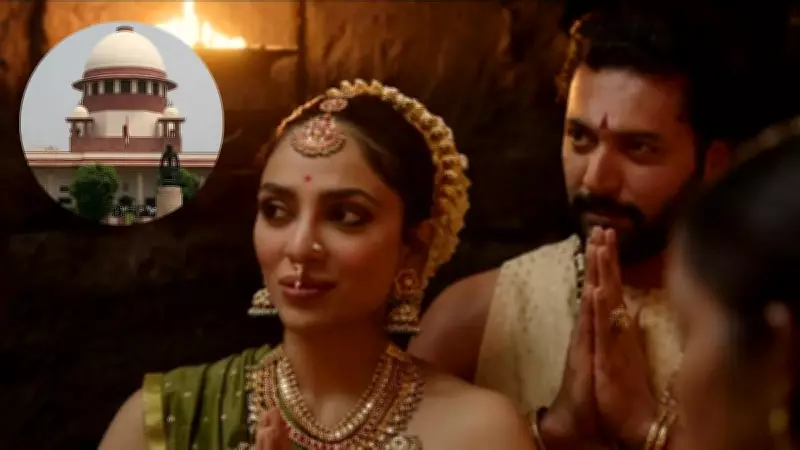
In a significant legal development, the Supreme Court of India has issued a directive to renowned music composer A R Rahman, requiring him to formally acknowledge the contributions of the Dagar family to the popular song 'Veera Raja Veera' from the film Ponniyin Selvan 2. This ruling comes in response to a claim filed by a member of the Dagar family, who alleged that the song was copied from an earlier composition.
Background of the Copyright Dispute
The controversy centers on the song 'Veera Raja Veera', which features in the soundtrack of the Tamil historical epic Ponniyin Selvan 2, composed by A R Rahman. The Dagar family, represented by a claimant, asserted that this song was derived from 'Shiva Stuti', a musical piece created by Nasir Faiyazuddin Dagar and Zahiruddin Dagar, who are famously known as the junior Dagar brothers. These brothers are celebrated figures in the realm of Indian classical music, particularly for their contributions to the Dhrupad genre.
The claimant argued that 'Veera Raja Veera' bears substantial similarities to 'Shiva Stuti', suggesting that it was copied without proper attribution or permission. This led to a legal battle, with the Dagar family seeking recognition and credit for their ancestral work. The case highlights ongoing issues in the entertainment industry regarding intellectual property rights and the ethical use of traditional compositions in modern film music.

Supreme Court's Verdict and Implications
After reviewing the evidence and arguments presented, the Supreme Court ruled in favor of the Dagar family, mandating that A R Rahman must acknowledge their contribution to 'Veera Raja Veera'. The court emphasized the importance of respecting artistic heritage and ensuring that creators receive due credit for their work, especially when it involves adaptations or inspirations from existing compositions.
This decision is expected to have far-reaching implications for the music and film industries in India. It sets a precedent for how copyright disputes involving traditional music and contemporary adaptations are handled, potentially encouraging more transparent practices in crediting sources. For A R Rahman, this ruling means he will need to update the credits for 'Veera Raja Veera' to include the Dagar family, aligning with legal and ethical standards.
The case also underscores the cultural significance of preserving and honoring India's rich musical traditions. The Dagar brothers, as part of the Dagar lineage, have played a pivotal role in keeping Dhrupad music alive, and this acknowledgment serves as a tribute to their legacy. Moving forward, this ruling may prompt other artists and producers to be more diligent in researching and crediting influences, thereby fostering a more respectful and collaborative creative environment.