South Indian Filmmakers Turn to the Past to Craft Compelling Crime Thrillers
In an era dominated by CCTV cameras and pervasive digital footprints, committing the perfect crime on screen has become a formidable challenge. South Indian filmmakers have discovered an ingenious solution: travel back in time. By setting their narratives in earlier decades, they bypass the constraints of modern technology, creating richer, more engaging stories that captivate audiences.
The Rise of Period Crime Thrillers
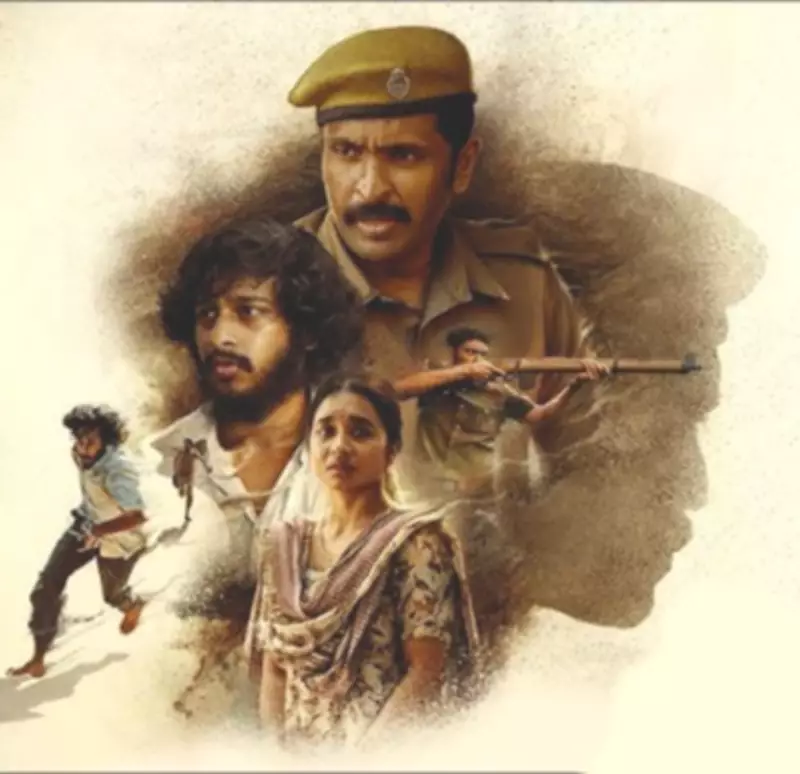
Recent hits like the 2025 Tamil film Sirai, which unfolds in 2003 while delving into a 1997 murder, and 2023's Por Thozhil, centered on solving serial killings from 2010, exemplify this trend. Crime thrillers today frequently adopt a recurrent pattern—either entirely set in the past or involving protagonists unraveling crimes committed decades ago. This "time travelling" narrative device effectively breaks the monotony of technology-driven storytelling, offering a fresh take on the genre.
Emotional Connection and Narrative Freedom
Filmmakers argue that the past serves as a linchpin, forging an emotional bond between viewers and the story. Mohan Raja, director of the 2015 Tamil action-thriller Thani Oruvan, explains, "We connect with Tom and Jerry not because they are relatable, but due to the cat-and-mouse format that resonates. Similarly, a hero sifting through CCTV footage for hours or easily tracking a villain via mobile phones doesn't make for compelling viewing." The past setting provides a broader narrative canvas, wrapped in a veneer of nostalgic familiarity and novelty.

Adding Nuance to Crime and Characters
Veteran scriptwriter Sab John, known for works like Tamil's Gunaa (1991) and Malayalam's Chanakyan (1989), highlights how past settings lend depth. "Subjective drama is less prevalent today, with many crimes driven by drugs or anxiety. The charm of the past adds a layer of enigma to characters, especially the villain who sets the narrative in motion," he says. John, who founded the ScreenWrite.in platform in 2009, has guided hundreds of writers, emphasizing that in crime films, "the villain is the protagonist; the hero merely pieces together the criminal's plot."
Overcoming Modern Surveillance Challenges
Shahi Kabir, a policeman-turned-filmmaker credited with the script for 2025's Ronth, notes that period procedurals offer greater narrative maneuvering. "We take time to establish the hero and build empathy. Ultimately, science and technology shouldn't crack the case—the hero must solve the puzzle to gratify the audience," he asserts. Kabir adds that setting plots in the past helps mitigate audience doubts, as digital tools are rendered useless, encouraging viewers to suspend disbelief more willingly. "Resentment of the present and fear of the future make stories from 'simpler times' easier to accept without nitpicking," he explains.
Mohan Raja echoes this sentiment, stating, "Surveillance is ubiquitous today, but a thriller requires crime committed in seclusion. A period setting achieves this while allowing viewers to actively engage their grey cells alongside the investigator."
World-Building and Creative Opportunities
Not all filmmakers view this trend solely as a means to evade technology. P S Mithran, director of the cyber-crime thriller Irumbu Thirai (2017), sees it as a chance for world-building. "As probe methods become more scientific, criminals adapt to AI and high-tech ways. Stories set in the past aren't just about bypassing CCTVs; they offer opportunities to create immersive worlds," he remarks.
The Importance of Research and Innovation
Rajesh Kumar, author of over 1,000 novels including the adapted medical thriller Kuttram 23, stresses the need for thorough research in crime fiction. "I consult friends in police and forensic departments to provide insights into cutting-edge detection techniques. Staying current or offering something different requires constant updating," he says, highlighting the balance between authenticity and creativity.

Notable Examples in South Indian Cinema
This trend is evident in several acclaimed films over the past decade:
- Tamil Thrillers: 2016's Dhruvangal Pathinaru (hit-and-run and 'suicide' in 2011), 2018's Imaikka Nodigal (serial killings in 2011), 2023's Por Thozhil (serial killings in 2010), and 2025's Sirai (story set in 2003 about a 1997 murder).
- Malayalam Thrillers (2025 releases): Rekhachitram (murder in 1985), Detective Ujjwalan (multiple murders in the late 1990s), Kalamkaaval (20 murders in the 2000s), and Eko Murder (missing case in the 1970s-1980s).
By embracing the past, South Indian filmmakers are not only sidestepping the pitfalls of modern surveillance but also crafting crime thrillers that resonate deeply with audiences, proving that sometimes, the best way forward is to look back.