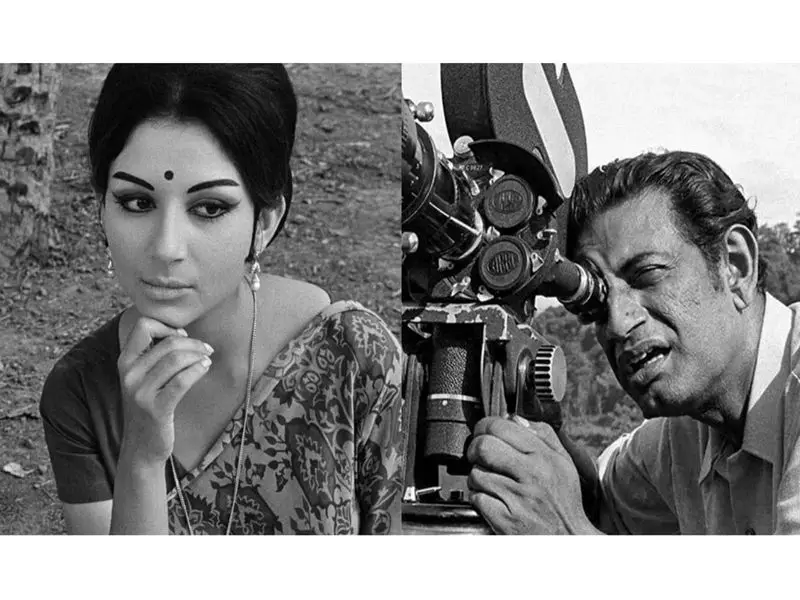
In the world of Indian cinema, few stories capture the magic of mentorship quite like the tale of Satyajit Ray and a young Sharmila Tagore. At just fourteen years old, Sharmila stepped onto the film set, wide-eyed and uncertain. It was the legendary director Satyajit Ray who saw her potential and gently guided her into the spotlight.
The Beginning of a Cinematic Journey
Satyajit Ray was already a celebrated filmmaker when he cast Sharmila Tagore in his 1959 masterpiece, 'Apur Sansar' (The World of Apu). This film marked the final chapter of his acclaimed Apu Trilogy. Ray needed a fresh face to portray Aparna, the wife of the protagonist Apu. He chose Sharmila, a schoolgirl with no prior acting experience.
Ray's Patient Directing Style
Working with a teenager required immense patience and skill. Satyajit Ray did not rush Sharmila. Instead, he took time to explain each scene in simple terms. He helped her understand the emotions of her character, Aparna. Ray's calm demeanor on set made Sharmila feel comfortable and confident.

Sharmila Tagore has often recalled how Ray treated her with kindness. He never raised his voice or showed frustration. His guidance was always gentle and encouraging. This approach allowed her natural talent to shine through without pressure.
The Impact on Sharmila's Career
Her debut in 'Apur Sansar' was a critical success. Audiences and critics praised her performance. This early experience under Ray's wing set the foundation for her long and illustrious career in Indian cinema. Sharmila went on to star in numerous hit films across Bengali and Hindi cinema.
She became one of the most respected actresses in India. Her roles in movies like 'Aradhana' and 'Mausam' are still remembered fondly. The lessons she learned from Satyajit Ray about authenticity and subtlety stayed with her throughout her acting journey.
Why This Mentorship Matters
The story of Satyajit Ray and Sharmila Tagore highlights the importance of nurturing young talent. Ray did not just direct her; he mentored her into becoming a skilled artist. His belief in her abilities gave Sharmila the courage to pursue acting seriously.
This mentorship also reflects Ray's own values as a filmmaker. He was known for his humanistic approach to cinema. Guiding a teenager with care and respect was an extension of his artistic philosophy. It shows how great directors can shape not only films but also the careers of their actors.
Today, Sharmila Tagore is celebrated as a veteran actress and a cultural icon. She often credits Satyajit Ray for her smooth entry into the film industry. Their collaboration remains a beautiful example of how guidance and trust can unlock potential.
In remembering this story, we see the lasting impact of a director's vision. Satyajit Ray's gentle hand helped a fourteen-year-old girl find her place in cinema. That young girl grew up to become one of India's most beloved stars, all thanks to a master's guidance.