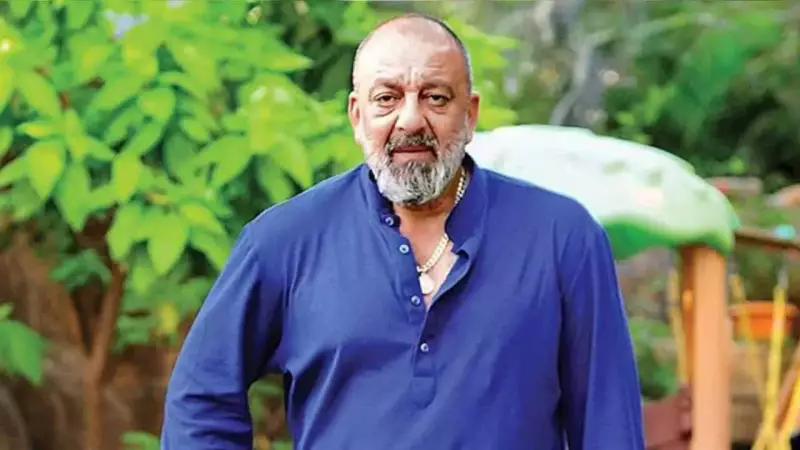
Bollywood star Sanjay Dutt has once again shed light on one of the most challenging periods of his life – his five-year imprisonment under the Arms Act. Released in 2016, the actor's journey was famously depicted in Rajkumar Hirani's biopic Sanju, but Dutt himself has now offered a rare, detailed public account of his experience.
The Fear and Pressure of 1993
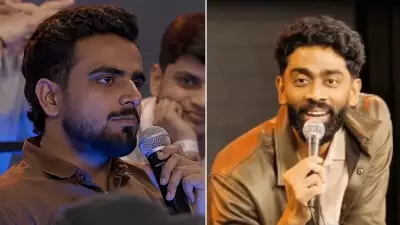
In a candid conversation on The Himanshu Mehta Show, Dutt revisited the tense atmosphere of 1993 in the aftermath of the Babri Masjid demolition. He recalled the immense pressure and threats faced by his family during the investigation that led to his arrest.
"My father was being threatened, my sisters were being threatened," Dutt revealed. He expressed continued bewilderment over the legal process that led to his incarceration, stating, "They said I had a gun, but they couldn't prove it. So I don't know what it was that actually put me inside there."

The actor questioned the prolonged nature of his case, emphasizing, "All I can say is that it shouldn't have taken them 25 years to realise that I was not in the TADA Act or in the bomb blast case. I don't know why it took them 25 years to realise that, and then convict me in the Arms Act case without having a gun, without finding a gun."
Transforming Prison into a Place of Learning
Despite the pain, Dutt chose to transform his adversity into a profound journey of self-discovery and education. He dedicated his time in jail to intense study and spiritual exploration.
"But I take it as a part of my life, and I take it as a learning. I learned a lot," he shared. "I learned the laws of the land. I learned to be a prosecutor, I learned to be a defence lawyer. I learned many things. I read a lot of books on law."
His spiritual quest became a cornerstone of his daily routine. "I faced my jail time with dignity. When I was there, I read a lot of books. I prayed a lot, I chanted, I meditated," Dutt explained. He immersed himself in religious texts, including the Shiv Puran, the Ganesh Puran, the Bhagavad Gita, the Ramayana, and the Mahabharata. "I had that time in jail to read about my religion, about all the great gods," he added.
The resourceful actor even initiated creative pursuits behind bars, running a radio station and a theatre group where murder convicts participated as actors.
A Plea for Timely Justice and Hope for the Future
Throughout his five-year term, Dutt stated that he "never lost hope." His primary appeal to the judiciary was for a swift conclusion to his legal battle – a privilege he acknowledges is denied to countless other inmates.
"I had to come out after five years, but all my request was to the great, honourable judges, and even the public prosecutors in the court, was to please expedite the case and finish it, whatever it was," he said. His time inside gave him a stark perspective: "Because I have seen so many people just languishing there in jail."
On the professional front, Sanjay Dutt is now gearing up for his next cinematic release. He will be seen in Dhurandhar, directed by Aditya Dhar. The film, set to hit theatres soon, boasts an ensemble cast including Ranveer Singh, Akshaye Khanna, R Madhavan, Arjun Rampal, and Sara Arjun.