Director Rahul Sankrityan Uncovers Hidden History for Epic Film Ranabaali
History exists in numerous forms beyond textbooks, residing in the oral traditions of villages, forgotten rituals, and archival records, according to filmmaker Rahul Sankrityan. Over an extensive two-and-a-half-year period, the director immersed himself in historical research, visiting archives, libraries, and collectorate offices while consulting with historians, poets, and folk storytellers to authentically capture the 19th century atmosphere.
Untold Stories of the Madras Presidency
The Madras Presidency — encompassing present-day Chennai, Telugu-speaking regions, and Bengaluru — possesses its own rich tapestry of struggle and resilience that rarely surfaces in mainstream historical narratives, Sankrityan emphasizes. Some of the most compelling discoveries emerged from remote villages and overlooked archives, including a visit to his father's ancestral village where a revived forgotten ritual ultimately inspired the film's climactic sequence.
In an exclusive conversation with Hyderabad Times, Sankrityan revealed the inspirations behind his ambitious period drama Ranabaali, which stars Vijay Deverakonda, Rashmika Mandanna, and Hollywood actor Arnold Vosloo of The Mummy fame.

Ranabaali: Rooted in 19th Century Rayalaseema
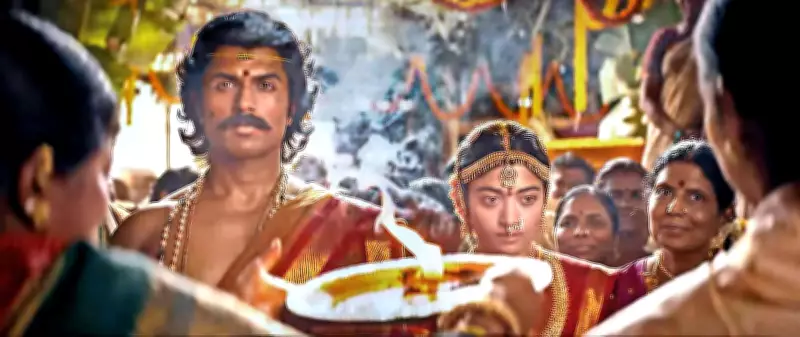
Ranabaali serves as a pan-India period drama firmly grounded in real historical events from 19th-century South India, particularly focusing on the Rayalaseema region. The film explores themes of resistance against colonial rule, cultural traditions, and the personal struggles of individuals navigating the hardships of the colonial era.
Sankrityan observes a significant shift in audience preferences: "For years, Indian cinema predominantly revisited familiar themes like romantic stories and family dramas. Today, viewers' tastes are evolving dramatically, with audiences increasingly drawn to spectacular narratives rooted in history and mythology. This represents supply meeting demand as our nation collectively rediscovers its past and seeks authentic historical understanding."
The director adds that "the old sense of cultural inferiority and constant looking toward the West for validation is gradually diminishing" as Indian audiences embrace their own historical narratives.
Vijay Deverakonda's Transformative Preparation
Recreating historical authenticity requires actors to fully inhabit their characters' worlds. Sankrityan explains that Vijay Deverakonda portrays a fierce rebel from royal lineage — a chieftain or landlord whose deep anger stems from the harsh realities of 19th-century Rayalaseema, where aggression often became necessary for survival.
"Vijay embodies a character driven by profound rage originating from the region's historical circumstances," the director notes. To achieve authenticity, Deverakonda underwent extensive accent training to master the old Rayalaseema dialect and dedicated six months to horse riding preparation.
Sankrityan reveals that "we sourced horses from Maharashtra and trained them for the same duration, as the horse functions not merely as a prop but as a significant character within the film's narrative."
Arnold Vosloo's Linguistic Dedication
Regarding his bold casting choice of Hollywood star Arnold Vosloo, Sankrityan expresses particular pride: "Casting Arnold as Sir Theodore Hector — the film's fictional British officer — represents one of my most courageous decisions. As a history enthusiast from South Africa, itself a former British colony, he connected deeply with the script's emotional core from our initial conversation."
The director adds that "Arnold undertook extensive linguistic training to perfect the British officer's accent, bringing an authentic layer to the colonial backdrop. His action-packed role proved effortless to collaborate on, marking his exciting Telugu cinema debut."
The film promises to deliver a compelling exploration of historical resistance while showcasing meticulous attention to period authenticity through its cast's dedicated preparations and the director's extensive research into India's untold 19th century narratives.