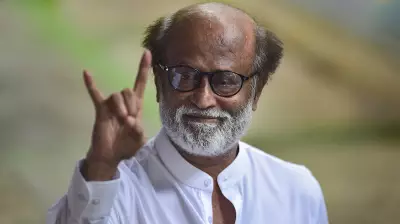
Diljit Dosanjh's Punjab 95 Faces Three-Year Blockade Amidst Censorship Debate
In a striking contrast that has ignited widespread discussion in the film industry, Diljit Dosanjh's critically acclaimed film Punjab 95 remains blocked from release in India for three years, while patriotic-driven cinema such as Border 2 achieves massive box office success. This disparity highlights the complex interplay between artistic expression, regulatory hurdles, and public sentiment in contemporary Indian cinema.
International Acclaim Meets Domestic Roadblocks
Punjab 95, starring Diljit Dosanjh, has garnered significant international praise for its bold narrative and fearless storytelling, earning accolades at global film festivals. However, despite this recognition, the film has faced persistent delays and controversies in its home country, struggling to secure the necessary approvals for theatrical release. Sources indicate that the film's hard-hitting content, which tackles sensitive historical and social themes, has encountered resistance from censorship boards and regulatory authorities.
The Success of Patriotism-Driven Cinema
Meanwhile, films like Border 2, which emphasize patriotic themes and nationalistic narratives, have not only cleared approval processes swiftly but also dominated the box office, drawing large audiences and critical acclaim. This success underscores a trend where movies aligning with mainstream patriotic sentiments often receive smoother regulatory passage and broader public acceptance, creating a lucrative pathway for filmmakers.

Debating Creative Freedom and Censorship
The ongoing situation with Punjab 95 has sparked a larger conversation about:
- Censorship Challenges: The fine line filmmakers must navigate between artistic expression and societal sensitivities.
- Approval Systems: The complexities and inconsistencies in India's film certification processes.
- Public Sentiment: How audience preferences and nationalistic fervor influence film reception and regulatory decisions.
Industry experts argue that this contrast raises questions about whether creative boundaries are being unfairly tightened for certain types of content, potentially stifling diverse storytelling in Indian cinema. The delay of Punjab 95 has led to calls for more transparent and equitable approval mechanisms that balance creative freedom with responsible filmmaking.
Impact on Filmmakers and Audiences
As Punjab 95 continues to be celebrated internationally but blocked domestically, audiences are left questioning why one project faces such hurdles while others thrive. This scenario not only affects Diljit Dosanjh and the film's team but also sets a precedent for future filmmakers who may hesitate to explore controversial or unconventional topics. The debate emphasizes the need for a more nuanced approach to film regulation that supports both artistic innovation and cultural values.
In conclusion, the three-year blockade of Punjab 95 versus the success of Border 2 serves as a poignant case study in the ongoing struggle between censorship and creativity in India's vibrant film industry, urging stakeholders to reconsider how stories are told and received in a rapidly evolving cinematic landscape.