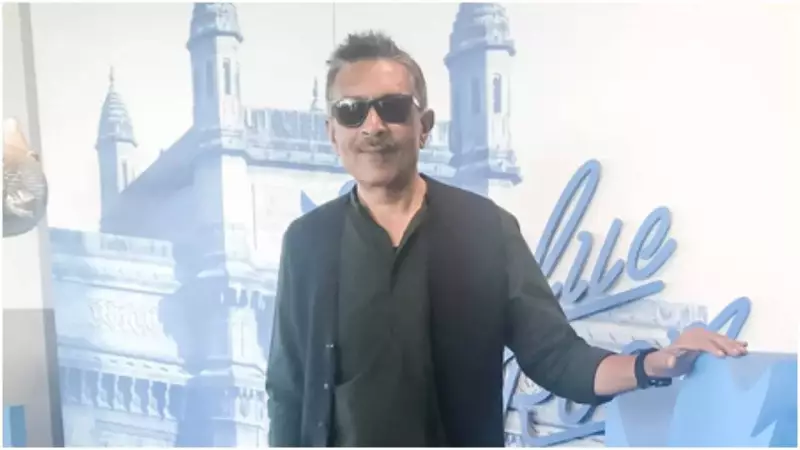
Renowned filmmaker Prakash Jha has issued a compelling call for systemic change to support independent Indian cinema. Speaking ahead of his participation in the London Film Festival, Jha pinpointed the critical challenges in film distribution and exhibition that are stifling niche, content-driven films.
The Multiplex Conundrum: A One-Size-Fits-All Problem
Jha, who is also a multiplex owner himself, presented a unique dual perspective. He acknowledged that multiplexes provide essential exhibition bandwidth. However, he strongly criticized the current release model. The core issue, according to Jha, is that the distribution parameters and costs are identical for a massive 500 crore rupee blockbuster and a modest 5 crore rupee independent film. This uniform, high-cost structure makes it financially unviable for smaller films to secure prime-time slots.
"There should be pragmatic thinking," Jha insisted. He advocates for the exhibition community to consider releasing independent films in prime time at a significantly lower cost. This, he believes, would create much-needed access for filmmakers who engage in meaningful dialogue with society through their work.

The Vanishing Local Distributor and Soaring Global Costs
The filmmaker contrasted the present with the past, recalling an era before multiplexes dominated. Back then, dedicated distributors for niche independent cinema did exist. While the market was small, these distributors were willing to take on such films and advertise them at a manageable, local level.
Today, that landscape has transformed drastically. Advertisement costs have skyrocketed as marketing has shifted from local to national and global campaigns. Simultaneously, the cost of preparing digital content for promotion has increased. This double whammy of high distribution and marketing costs has squeezed out the space for low-budget, high-concept cinema.
OTT Platforms: A Missed Opportunity for Indie Films?
Jha also turned his attention to digital streaming platforms, or OTTs, which were initially seen as a saviour for diverse content. His observation is sobering. He stated that even on OTTs, it is often the "usual nonsensical commercial films" that get preferential treatment and promotion.
His solution is two-fold. He suggests that either very special, curated platforms dedicated solely to independent films should emerge, or the major existing platforms must consciously make an effort to acquire such content. "They should talk to acquire these independent films even if they are at a lesser cost," he added. The ultimate goal is to ensure that independent filmmakers have enough access and revenue to sustain their craft and make their next film.
Prakash Jha's comments underscore a vital conversation about the cultural ecosystem of Indian cinema. He argues that protecting and nurturing independent cinema is not just a commercial concern, but a necessity for maintaining a diverse and socially relevant film culture. His plea is for pragmatic reforms in distribution to ensure that films with something to say continue to find their audience.