Mohanlal Unpacks the Philosophy Behind His Iconic 'Nee Po Mone Dinesha' Dialogue
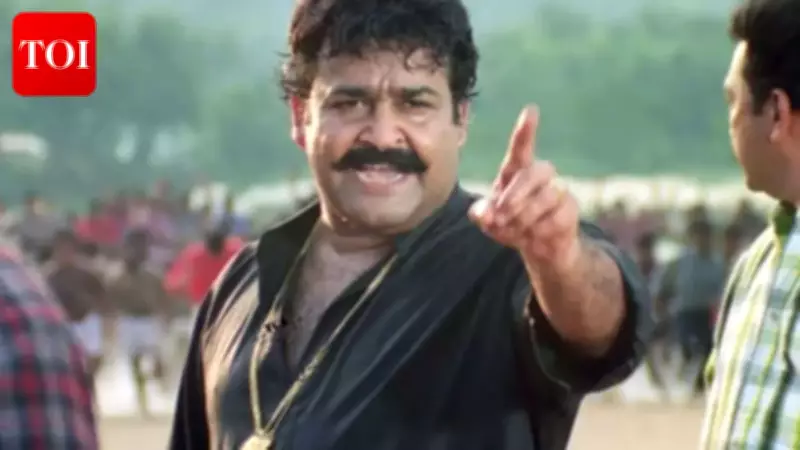
In a recent revelation that has captivated film enthusiasts, Malayalam cinema's 'Complete Actor' Mohanlal has shared profound insights about one of his most legendary dialogues - "Nee po mone Dinesha..." from the blockbuster film Narasimham. This dialogue, which has transcended the screen to become a cultural phenomenon across social media platforms through countless memes and trolls, carries a much deeper meaning than its surface-level intensity suggests.
The Dialogue That Speaks Directly to Life
During an exclusive appearance on the MyGov Podcast, Mohanlal, who is currently preparing for his highly anticipated films 'Patriot' and 'Drishyam 3' scheduled for April release, explained the philosophical weight behind the famous line. "'Nee po mone Dinesha...' is a very beautiful dialogue," the superstar reflected. "It feels like it speaks directly to life, but it is not a casual attitude."
The actor elaborated further, "It conveys the idea that whatever comes my way, I will face it. It carries the thought that I am responsible for all my actions." This interpretation transforms what many perceived as a simple confrontational line into a powerful statement about personal accountability and resilience.

A Defining Moment for Induchoodan's Character
In the 2000 film Narasimham, directed by Shaji Kailas with a script by Ranjith, Mohanlal portrays Poovalli Induchoodan - a character who embodies strength and fearlessness in the face of injustice. The dialogue "Nee po mone Dinesha..." emerges as one of the defining moments that cemented Induchoodan's character in cinematic history, significantly contributing to what fans affectionately call the "mass aura" of Lalettan (Mohanlal's popular nickname).
Mohanlal revealed his personal connection to the dialogue's philosophy, stating, "You know, whatever I do, I myself am responsible for it. So I take that dialogue in that spirit. Nee po mone Dinesha..." This personal alignment with the dialogue's message explains why the delivery resonated with such authenticity and power.
The Film That Redefined Malayalam Commercial Cinema
Narasimham wasn't just another film - it became a monumental industry hit that played a pivotal role in strengthening Mohanlal's image as the ultimate mass hero in Malayalam cinema. The film's narrative revolves around Poovalli Induchoodan, the son of a respected lawyer (played by veteran actor Thilakan) who becomes wrongly accused and imprisoned.
Upon his release, Induchoodan returns with a mission to confront those responsible for the injustices in his life. The film masterfully weaves together themes of:
- Justice and retribution
- Betrayal and its consequences
- Redemption and personal transformation
With its compelling performances, tightly crafted script, memorable dialogues, and powerful background score, Narasimham has earned its reputation as what many consider "the perfect commercial film that can happen once in a lifetime."
Why the Dialogue Continues to Resonate
More than two decades after its release, the "Nee po mone Dinesha..." dialogue maintains its cultural relevance for several compelling reasons:
- Universal Appeal: The message of taking responsibility for one's actions transcends regional and linguistic boundaries.
- Cultural Integration: The dialogue has been organically adopted into everyday conversations and digital culture.
- Timeless Philosophy: The core message about courage and accountability remains perpetually relevant.
- Performance Authenticity: Mohanlal's personal connection to the dialogue's meaning adds layers of genuineness to the delivery.
This revelation from Mohanlal provides fascinating insight into how a single line of dialogue can evolve from a cinematic moment into a cultural touchstone, carrying philosophical weight that continues to inspire audiences across generations. The actor's explanation adds new depth to our understanding of why certain cinematic moments become permanently etched in collective memory.