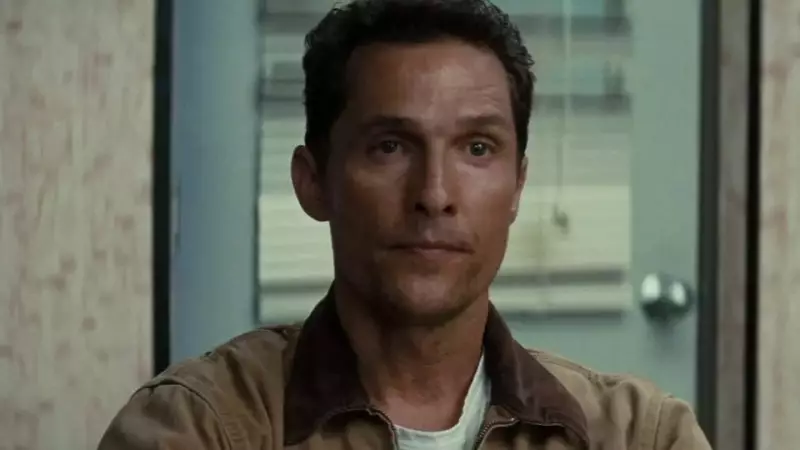
Matthew McConaughey Takes Legal Stand Against AI-Generated Deepfakes
Hollywood actor Matthew McConaughey is fighting back against unauthorized artificial intelligence deepfakes. He is using a legal approach to protect his image and voice. The Oscar-winning star recently secured eight trademark approvals from the US Patent and Trademark Office.
Trademarks Cover Specific Images and Voice Clips
The approved trademarks feature McConaughey in various poses and situations. They include a seven-second video clip of him standing on a porch. Another clip shows him sitting in front of a Christmas tree for three seconds. The trademarks also cover audio of him saying his famous line "Alright, alright, alright" from the 1993 movie "Dazed and Confused."
McConaughey's attorneys explained the purpose behind these filings. They want to prevent AI applications or users from simulating the actor's voice or likeness without permission. This concern is becoming increasingly common among performers in the entertainment industry.

Creating Clear Boundaries in the AI Era
In an email to the Wall Street Journal, McConaughey stated his position clearly. "My team and I want to know that when my voice or likeness is ever used, it's because I approved and signed off on it," he wrote. The actor emphasized the need to establish ownership boundaries in today's AI-driven world.
Jonathan Pollack, one of McConaughey's lawyers, described their strategy. "In a world where we're watching everybody scramble to figure out what to do about AI misuse, we have a tool now to stop someone in their tracks or take them to federal court," he explained.
Addressing a Growing Industry Problem
Many actors and singers have faced similar challenges with AI-generated content:
- Tom Hanks has dealt with fake videos created using AI technology
- Taylor Swift has encountered unauthorized AI-generated audio and images
- Other performers are increasingly concerned about digital impersonation
While US rights-of-publicity laws already protect actors from having their images used to sell products, McConaughey's legal team believes their trademark approach offers broader protection. It could potentially cover AI-generated video content that isn't explicitly selling anything.
Uncharted Legal Territory
McConaughey's lawyers acknowledge they're entering new legal ground. They aren't aware of any other actors who have secured such broad trademarks on themselves, particularly in the age of artificial intelligence. The outcome of potential legal challenges remains uncertain.
Kevin Yorn, another attorney representing McConaughey, expressed their cautious approach. "I don't know what a court will say in the end. But we have to at least test this," he stated. Yorn represents several top Hollywood actors including Scarlett Johansson and Zoe Saldana.
Parallel Involvement in AI Technology
Interestingly, McConaughey maintains connections with AI companies while pursuing this protective strategy. He recently announced a partnership with AI voice company ElevenLabs. Together they're creating a Spanish version of his newsletter "Lyrics of Livin'."
Both McConaughey and Yorn have financial interests in ElevenLabs. Yorn invests through his venture-capital firm BroadLight Capital, where he serves as a partner.
Existing Legal Framework and Limitations
US law already allows individuals and companies to make trademark claims on images closely connected with them, even without formal registration. Many performers seek official approval to strengthen their legal position. Some have even trademarked catchphrases, like singer Lizzo's "100% That B***h."
Mark McKenna, a UCLA law professor specializing in intellectual property, provided context to the Wall Street Journal. He noted that existing US trademark law and state right-of-publicity laws protect against most commercial uses. However, the legal landscape becomes murkier on internet video platforms where AI-generated creative work can be monetized through advertisements.
"In some of the things people are most worried about with new technology, we don't have crystal clear rules about whether they're considered commercial," McKenna explained.

Looking Toward Legislative Solutions
McConaughey and his legal team hope federal law will eventually provide clearer guidelines. They believe such clarification might make their trademark strategy unnecessary in the future. Hollywood unions and production companies have supported legislation that would forbid AI-generated replicas of people without permission.
The US Congress introduced a relevant bill in 2024, but it hasn't progressed to voting in either the House or Senate. The entertainment industry continues to watch these developments closely as AI technology advances rapidly.
This case represents a significant test of how existing intellectual property laws can adapt to protect individuals in the digital age. As AI capabilities grow more sophisticated, performers like McConaughey are seeking proactive ways to maintain control over their digital identities.