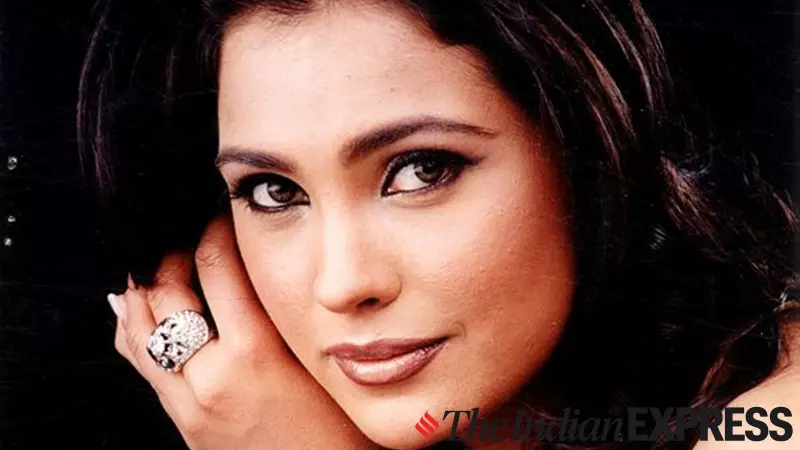
Lara Dutta Opens Up About Her Thoughtful Approach to Marriage and Independence
Bollywood actress Lara Dutta, 47, has recently shared insightful reflections on her decision to marry former tennis champion Mahesh Bhupathi, highlighting a journey marked by personal growth and financial independence. In a candid conversation, she revealed that her choice to tie the knot was not a hasty one but rather a well-considered step taken after establishing herself professionally.
A Deliberate Path to Matrimony
Dutta emphasized that she did not rush into marriage during her younger years, often referred to as the "spring chicken" phase. "I took my time. I built my career out. I had a certain amount of financial stability, which was very important for me," she explained in an interview with BeautybyBiE on YouTube. This foundation allowed her to enter marriage from a position of strength, rather than necessity.
She firmly stated, "Never ever wanted to be dependent on any man. Never will. I didn't get married because I wanted to be financially taken care of for my life." This declaration underscores her commitment to self-reliance, challenging traditional norms that often pressure women into early marriages for security.

Marriage as a Choice for Family, Not Financial Gain
For Dutta, the decision to marry was intrinsically linked to her desire to start a family. "I think I had reached a stage in my career and my life that the only reason why I said, yes, I am ready for marriage is because I knew I wanted to start a family," she shared. Her daughter, Saira, was a deeply wanted addition to her life, not an accidental outcome.
She prioritized motherhood, noting that she did not accept any movie offers during the first four to four-and-a-half years of Saira's life, dedicating herself fully to her new role. This choice reflects her intentional approach to balancing personal and professional responsibilities.
A Supportive Partnership with Mahesh Bhupathi
Dutta also praised her husband, Mahesh Bhupathi, for his supportive nature. "The fact that, maybe, I should consider my career secondary to his...or I should prioritise my daughter before I prioritise anything else. It has never come from Mahesh," she said. This mutual respect has allowed her to make autonomous decisions even after marriage, fostering a relationship built on equality rather than imposition.
She described Bhupathi as someone "who has never imposed on me," highlighting how their partnership thrives on understanding and shared values, rather than traditional gender roles.
Expert Insights on Emotional Readiness in Marriage
Arouba Kabir, an emotional and mental health professional and founder of Enso Wellness, weighed in on Dutta's perspective, noting that it challenges societal pressures around marriage timelines, especially for women. "From a trauma-informed psychological lens, this belief deserves closer examination," Kabir stated.
She explained that many individuals delay marriage not due to uncertainty about love, but because they are in the process of self-discovery. "Emotional readiness is not age-dependent as we have been told; it is shaped by self-awareness, life experiences, and one's ability to hold responsibility without losing oneself," Kabir added.
The Impact of Societal Pressure on Marital Decisions
Kabir pointed out that urgency-driven marriages, often influenced by family expectations or fear of loneliness, can lead to long-term emotional consequences. "Decisions made under pressure...often come at the cost of emotional clarity. When individuals enter partnerships before understanding their own boundaries, wounds, or needs, marriage becomes a site of survival rather than shared growth," she warned.
In the Indian context, where societal noise around marriage is particularly intense, Kabir stressed the importance of "presence"—being emotionally available and regulated—as a key predictor of marital well-being, more so than age. "Choosing marriage when life feels full rather than frantic is not avoidance; it is discernment," she noted, suggesting that this approach could reduce separations or divorces.

Shifting the Conversation on Marriage
Kabir advocated for a change in how society views marriage, moving "from pressure to presence. From timelines to truth." She emphasized that the healthiest commitments are those consciously chosen, not rushed into, reflecting a partnership that adds to an already fulfilling life rather than filling a void.
Lara Dutta's journey serves as a powerful example of this philosophy, demonstrating that marriage can be a joyful addition when pursued after achieving personal and professional milestones. Her story encourages a broader dialogue on independence, timing, and the true essence of partnership in modern relationships.