Konkona Sen Sharma Demands 50% Female Directors in Indian Cinema
Acclaimed actor and filmmaker Konkona Sen Sharma has issued a powerful critique of India's severe gender imbalance behind the camera, declaring the current statistics completely unacceptable. Sharma's comments came in response to recent data revealing that women directed only 3 percent of Indian films produced last year.
Shocking Statistics Revealed by Industry Insiders
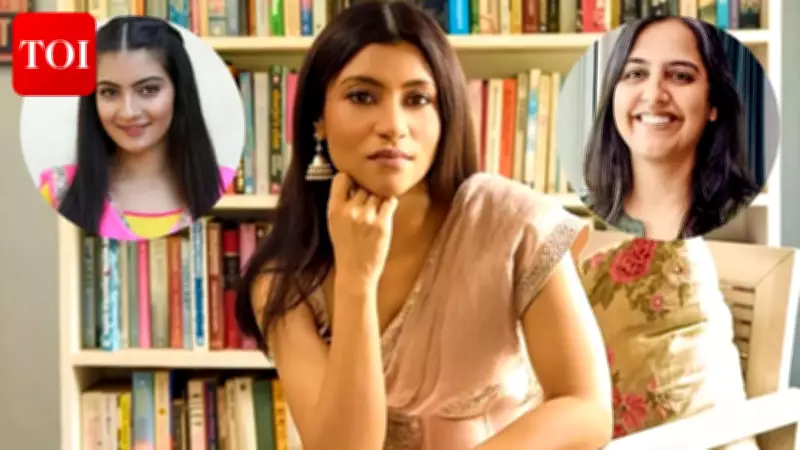
The conversation unfolded during an interview with Variety India about the upcoming Netflix film 'Accused,' directed by Anubhuti Kashyap and starring Sharma alongside Pratibha Ranta. Oscar-winning producer Guneet Monga Kapoor had previously disclosed that women helmed just 3 percent of the approximately 2,500 films produced in India during the previous year.
"It's a sad reality. The numbers are very, very small — 3% is abysmal. It should be at least 50%. Anything below that is not acceptable," Sharma stated emphatically, calling the current figures alarming and demanding immediate corrective action.

Diverging Perspectives on Industry Progress
Director Anubhuti Kashyap offered a somewhat different perspective, suggesting she hasn't personally encountered direct gender bias in hiring decisions. "I think we are on the right track. In my personal experience, I haven't seen instances where people weren't chosen because of their gender — at least not to my knowledge," Kashyap explained.
She attributed the imbalance to India's deep-rooted patriarchal history, noting that women have entered film professions much later than men and historically received fewer opportunities. "The numbers are just beginning to grow stronger, and I hope it happens very soon. But I don't think, at present, it's because someone is consciously choosing not to pick women," Kashyap added.
Sharma Rejects Complacency, Calls for Systemic Change
Konkona Sen Sharma acknowledged some progress but firmly rejected any complacency with incremental improvements. "Is it better than before? Probably. But that shouldn't be the benchmark. We must focus on where we need to go," she argued.
Sharma identified economic considerations as a significant barrier to gender equity, stating that financial priorities often override the goal of building a more equitable society. "Often, decisions are driven by economics rather than the goal of building a more equitable society and that gets in the way," she observed.
Personal Experiences Highlight Representation Challenges
Rising actor Pratibha Ranta shared how limited visibility affected her own career aspirations during her formative years. "When I was younger, I saw very little female representation. I'm from Shimla, so Mumbai felt very far away. I used to wonder how I would even get there," Ranta recalled.
She expressed encouragement at seeing more women entering the industry today, noting that many of her friends are now choosing film professions that once seemed inaccessible.
Cautious Optimism for Future Reports
Sharma concluded with measured hope for the industry's future direction. "At the end of the day, it's about representation. We need more women stepping forward and choosing these careers. Let's hope the next reports are much brighter — much, much brighter," she stated.
The conversation highlights ongoing debates about gender equity in Indian cinema, with Sharma's demand for 50 percent female directors representing a bold call for systemic transformation. As the industry prepares for the release of 'Accused,' these discussions about representation behind the camera continue to gain momentum and attention.