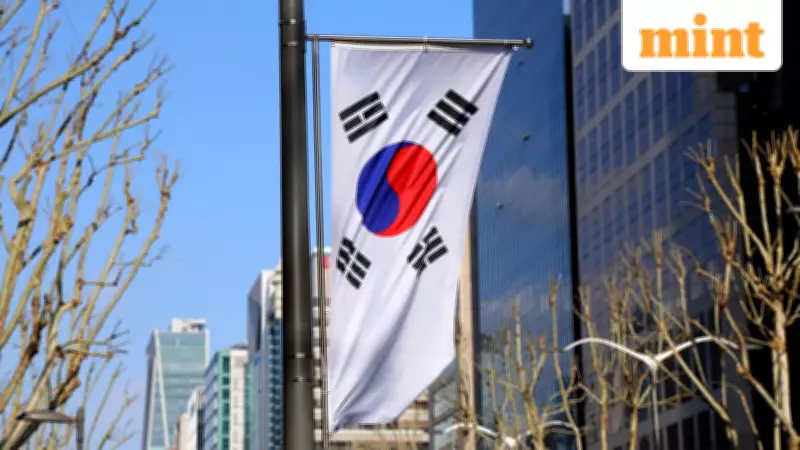
The Global Conquest of Korean Pop Culture: Who Deserves the Credit?
The tragic incident in Ghaziabad, where three sisters took their own lives reportedly due to an obsession with Korean pop culture, has brought unsettling questions about influence and fixation to the forefront. While mental health remains the primary concern in such cases, the widespread obsession with K-culture across India and the globe is undeniable. South Korea has achieved a remarkable cultural export success, but the true drivers behind this phenomenon are complex and multifaceted.
The Government's Strategic Push
There is a prevailing theory that South Korea's government engineered this cultural coolness deliberately. Beginning in the early 1990s and intensifying after the Asian financial crisis under President Kim Dae-jung, Seoul made cultural exports a national mission. The government invested millions to improve production quality of dramas and music, marketing entertainment as a tool to enhance the appeal of other Korean products worldwide.
However, the role of government planning might be exaggerated. While bureaucrats and marketers naturally claim credit for success stories, the organic nature of K-culture's spread suggests other forces at play. The narrative that every triumph stems from strategic marketing overlooks deeper cultural currents.

Cultural Misunderstanding as Catalyst
One of the most compelling explanations for Korea's global appeal lies in misunderstanding. When people encounter foreign cultures, they often project their own biases and interpretations onto what they see. This transmission of novelty through misconception has been a powerful force in K-culture's spread.
Euny Hong's book The Birth of Korean Cool reveals how pre-1990s Korea was anything but cool by today's standards. The society was rigid, with youth focused on studies, corporal punishment common in schools, arranged marriages prevalent, and strict government controls on personal appearance. Social mobility was limited, and national pride often rested on questionable historical claims.
The Accidental Breakthrough
The turning point came in 1992 through an unlikely incident. A Korean civil servant smuggled a Beta-max tape of the television drama What is Love to Hong Kong in a diplomatic pouch. The show became an unexpected hit, presenting Korean men as domestic "superpowers" who cooked dinner after work while women served them—a cultural dynamic alien to Hong Kong audiences yet strangely entertaining.
This accidental success revealed something profound: culturally, much of the world was not Western but Korean in its sensibilities. The government then capitalized on this discovery, but the initial breakthrough was organic and unplanned.
The Japanese Conquest and the "Korean Boyfriend" Phenomenon
Korea's most improbable victory came in Japan, Asia's previously coolest country and a historical rival. The 2002 drama Winter Sonata, created with minimal guidelines (it needed amnesia and winter settings), introduced the "Korean boyfriend" archetype: a soft, beautiful-faced man who cried often. Japanese women embraced this image enthusiastically.
This kind of success cannot be manufactured through planning alone. It emerged from endearing misconceptions about Korean masculinity that resonated across cultural boundaries. The drama captivated audiences from Iraq to Russia to Egypt, demonstrating K-culture's unexpected universal appeal.
The Hard Work Behind the Cool
South Korea's coolness also benefits from contrast with North Korea's international image as an "evil empire." More importantly, Koreans themselves worked tremendously hard to create their cultural exports. Like Indian tech professionals, they made significant sacrifices for success.
The pursuit of cool has become a promising career path in Korea. In 2012, for the televised singing competition Superstar K, an astonishing 4% of the country's population auditioned. This demonstrates how cultural production has become embedded in Korean society far beyond government initiatives.

The global rise of Korean pop culture represents a complex interplay of strategic planning, cultural misunderstanding, accidental breakthroughs, and dedicated effort. While Seoul's government certainly facilitated the spread, the organic appeal of K-dramas, music, and aesthetics to global audiences—often through misinterpretation—has been equally crucial to creating one of the most remarkable cultural phenomena of our time.