India's Historic Journey at the Oscars: From First Win to Jury Membership
The Academy Awards, commonly known as the Oscars, have long been a global benchmark for cinematic excellence, and India's relationship with this prestigious event has evolved significantly over the decades. From humble beginnings to notable achievements, India's presence at the Oscars reflects the growing influence of its film industry on the world stage.
The First Indian Film to Win an Oscar
India's first major breakthrough at the Oscars came with the documentary film 'The House That Ananda Built', directed by James Beveridge, which won an Academy Award in 1949. However, it was the 1957 film 'Mother India', directed by Mehboob Khan, that marked a pivotal moment as the first Indian feature film to be nominated for Best Foreign Language Film. Although it did not win, this nomination opened doors for future Indian entries.
The first Indian film to actually win an Oscar was 'Satyajit Ray's' documentary 'The Apu Trilogy', which received an Honorary Academy Award in 1992 for its lifetime achievement. This recognition highlighted the artistic depth of Indian cinema and set a precedent for subsequent successes.

Key Milestones and Achievements
Over the years, India has celebrated several Oscar victories across various categories. Notable wins include:
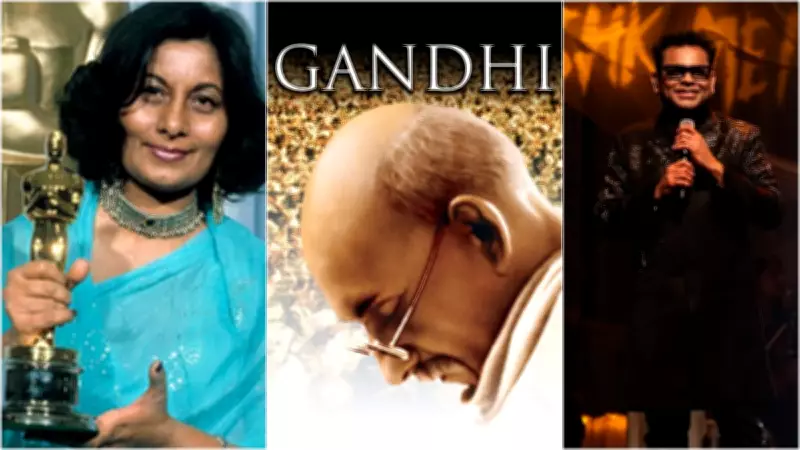
- 'Gandhi' (1982): Directed by Richard Attenborough, this film won eight Oscars, including Best Picture, and featured significant Indian contributions in acting and production.
- 'Salaam Bombay!' (1988): Directed by Mira Nair, this film was nominated for Best Foreign Language Film, showcasing India's storytelling prowess.
- 'Lagaan' (2001): Directed by Ashutosh Gowariker, it was nominated for Best Foreign Language Film, gaining international acclaim.
- 'Slumdog Millionaire' (2008): Directed by Danny Boyle, this film won eight Oscars, including Best Picture, with Indian actors, music, and settings playing central roles.
These achievements underscore India's ability to produce content that resonates globally, blending cultural narratives with universal themes.
The First Indian on the Oscar Jury
A significant milestone in India's Oscar journey was the inclusion of the first Indian on the Academy's jury. Film critic and historian Bharat Bhushan became the first Indian to serve as a member of the Oscar jury in the early 2000s, marking a shift towards greater representation in the decision-making process. This appointment not only acknowledged India's cinematic contributions but also provided a platform for Indian perspectives in evaluating global films.
Since then, other Indians, such as directors, actors, and technicians, have joined various Oscar committees, further integrating India into the Academy's framework. This involvement has helped promote diversity and inclusivity within the industry.
Impact and Future Prospects
India's journey at the Oscars has had a profound impact on its film industry, inspiring filmmakers to aim for international recognition while preserving cultural authenticity. The successes have boosted India's soft power, enhancing its image as a hub of creative talent.
Looking ahead, with the rise of streaming platforms and co-productions, India is poised to achieve even more at the Oscars. Initiatives like the National Film Development Corporation's support for Oscar submissions and increased global collaborations are likely to yield further milestones.
In conclusion, from the first win to jury membership, India's path at the Oscars is a testament to its cinematic evolution and growing global stature. As the industry continues to innovate, future achievements promise to build on this rich legacy.