The Rise of Hypernationalism in Bollywood
Contemporary Bollywood finds itself ensnared in a relentless cycle of hypernationalism, where the portrayal of minorities has evolved from mere stereotyping to overt criminalization. This trend raises critical questions about the cinematic imagination of India, highlighting which versions of the nation are projected on screen and which realities are systematically excluded. Films increasingly adopt hypernationalist tones, borrowing narratives from the "war on terror" to depict Muslims as inherent threats, thereby reinforcing a polarized worldview.
Propaganda and Box Office Success
The success of sequels like Border 2 (2026) and recent releases such as Dhurandhar (2025) underscores a filmmaking culture deeply invested in ultranationalism. These movies function as propaganda by elevating specific political ideologies and normalizing dominant narratives. As mainstream Bollywood struggles to attract audiences to theaters, films that vilify Muslims have emerged as the highest-grossing, relying on interchangeable enemies like Muslims and Pakistan to simplify complex issues.
Shift from External to Internal Enemies
Unlike earlier patriotic films such as LOC Kargil (2003) and The Legend of Bhagat Singh (2002), which primarily focused on external foes, this new wave creates internal enemies. Movies like The Kerala Story (2023) and Chhaava (2025) position Indian Muslims as primary threats, intensifying narratives of internal division and fear.

Ikkis: A Quiet Rebellion Against War Glorification
Amidst this dominant trend, Ikkis (2026) stands apart as a rare and necessary intervention. In an era where war-centric narratives shape both filmmakers' aspirations and audience expectations, this film quietly resists the tide of triumphalism by refusing to glorify conflict. Cinematically, it valorizes empathy, moral complexity, and human vulnerability—elements often invisible in contemporary war cinema.
Humanizing the Armed Forces
By focusing on soldiers' exhaustion, silence, and emotional fragility alongside acts of bravery, Ikkis challenges formula-driven filmmaking and the rhetoric of toxic nationalism. It is among the few films to humanize the armed forces while acknowledging the profound costs of war, offering a nuanced perspective that diverges sharply from mainstream portrayals.
The Great Shamsuddin Family: Grounded Representation of Muslim Life
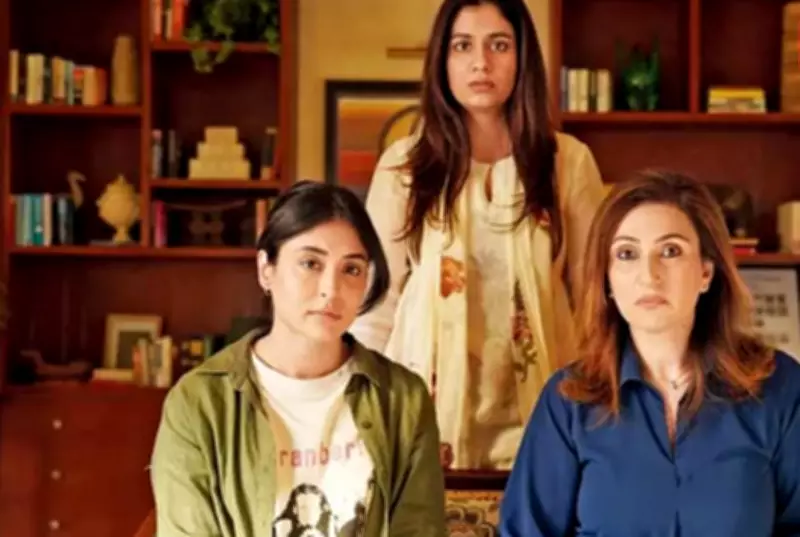
At a time when Muslims are increasingly othered and questioned in society, cinema often amplifies this pressure by casting doubt on their belonging and identity. Against this backdrop, The Great Shamsuddin Family (2025) marks a significant shift, providing a more humane and grounded representation of Muslim life in India.
Everyday Concerns and Anxieties
The film centers on the everyday concerns of a Muslim family without resorting to stereotypes, raising unsettling questions about a Muslim writer's decision to leave India due to persistent violence and fear. It is among the first films to articulate these anxieties so directly, offering a poignant critique of societal tensions.
Regional Cinema: Sensitivity and Political Clarity
Regional industries, such as Malayalam and Tamil cinema, increasingly address social crises with sensitivity and political clarity. Films like Feminichi Fathima (2024) and Eko (2025) in Malayalam, along with 3BHK (2025) and Bison Kaalamaadan (2025) in Tamil, engage with issues of migration, caste, gender, ecology, and marginalization while avoiding caricatures of communities.
Echoes of Marginalization
Mari Selvaraj's Bison Kaalamaadan particularly echoes the concerns raised in The Great Shamsuddin Family by foregrounding Dalit existence. Both films bravely depict characters—one Muslim and one Dalit—forced to flee their homes due to persistent discrimination, highlighting shared struggles against marginalization.

Historical Context and Narrowing National Imagination
Earlier Bollywood films such as Fiza (2000), Black Friday (2004), and Chak De India (2007) employed simplified representations without turning communities into collective enemies. In contrast, recent works like Tanhaji (2020), The Kashmir Files (2022), Article 370 (2024), and War 2 (2025) intensify internal-threat narratives by portraying sections of the population as enemies from within.
Diminishing Plurality
This shift continues to narrow the national imagination in mainstream Hindi cinema, diminishing the plurality of India. As hypernationalist films dominate, alternatives like Ikkis and The Great Shamsuddin Family offer crucial counter-narratives that emphasize empathy, complexity, and the diverse realities of Indian society.